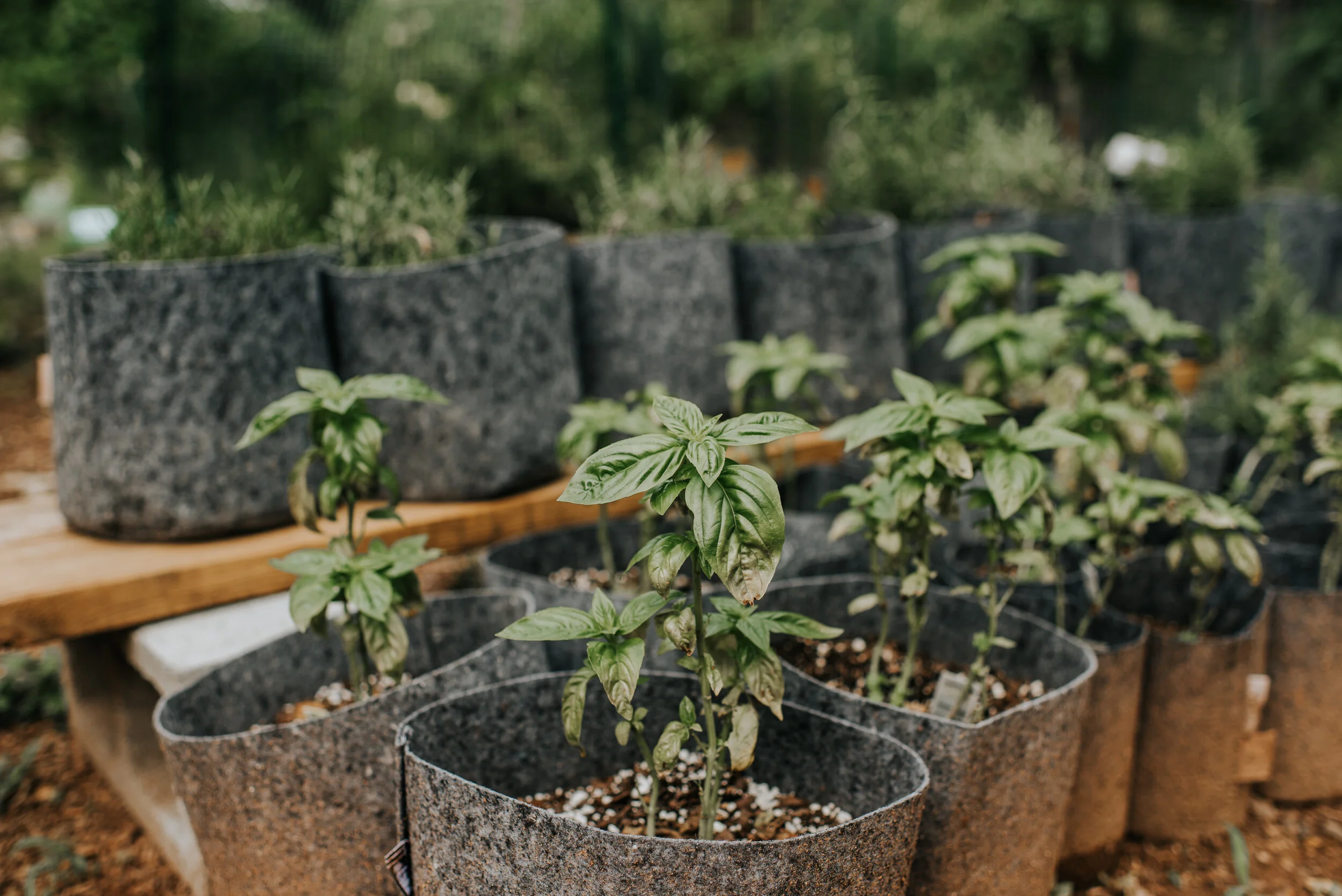
Photo by Caleb Jones at Martin’s Garden in Roswell
Welcome to the Local Food Hub
The Local Food Hub helps you find and grow local food.
Here’s what’s going on:
Support Farms + Gardens
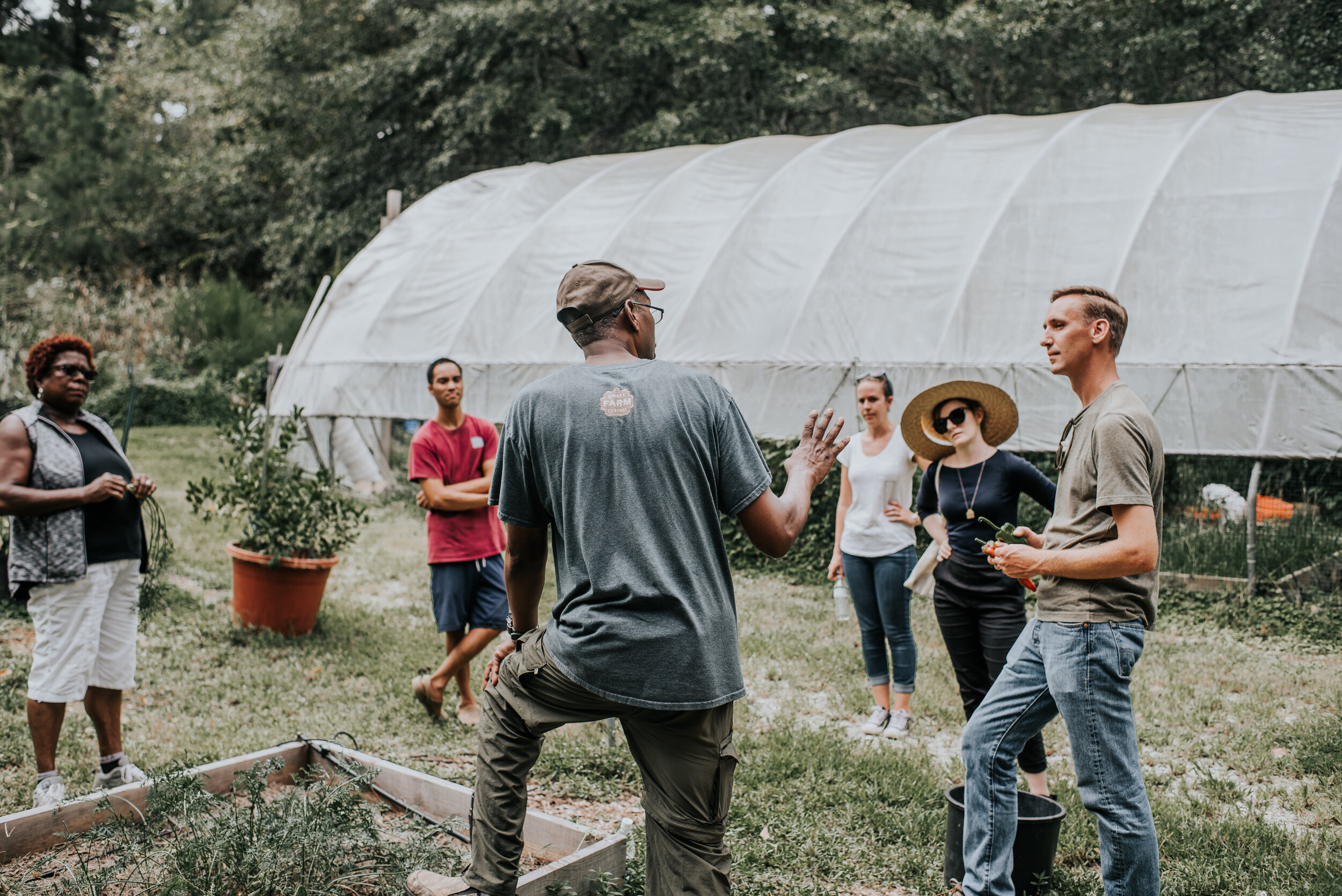
Photo by Caleb Jones at Phoenix Gardens in Gwinnett County
Photo by Caleb Jones at Martin’s Garden in Roswell
The Local Food Hub helps you find and grow local food.
Photo by Caleb Jones at Phoenix Gardens in Gwinnett County
When the pandemic turned idle school gardens into weeds, robbed urban growers of income streams, and created long lines at food banks, two Atlanta nonprofits joined forces to fight back. The response is Project Giving Gardens, where urban growers are being paid to turn 102 metro-area school gardens into a harvest of vegetables that is going back into the community to feed families.
With the Project Giving Gardens program reinstated, over 100 community gardens will be prepared to become fully functioning mini-gardens under the direct supervision of some of the area’s most renowned urban farmers.
Food Well Alliance partnered with Captain Planet Foundation to revive over 100 school gardens in Metro Atlanta to provide fresh fruits and vegetables for families in need.
The creation of Food Well Alliance was made possible through funding from the founding benefactor, the James M. Cox Foundation, and through the vision of Jim Kennedy, Chairman Emeritus of Cox Enterprises and Chairman of the James M. Cox Foundation, and Bill Bolling, founder of the Atlanta Community Food Bank. Together, they saw an opportunity to build healthier communities across metro Atlanta by supporting and connecting members of our local food movement. Today, we support more than 300 community gardens, urban farms, and orchards in the Atlanta region.
Food Well Alliance is a 501(c)(3) nonprofit. Tax ID: 47-4363668
Donate Press Events Contact Us
© 2026 Food Well Alliance. All rights reserved.
Food Well Alliance also did its share to keep growers growing, and to provide that food where it was needed. In 2020, the 5-year old nonprofit delivered seedlings, bulk compost and labor support to dozens of community gardens; deployed nearly 1,500 hours of labor support to urban farms; facilitated the distribution of more than 330,000 pounds of excess food donated by metro area gardeners; and helped to activate idle school gardens to grow food for families in need.