









2027 Fruit Tree Sale!
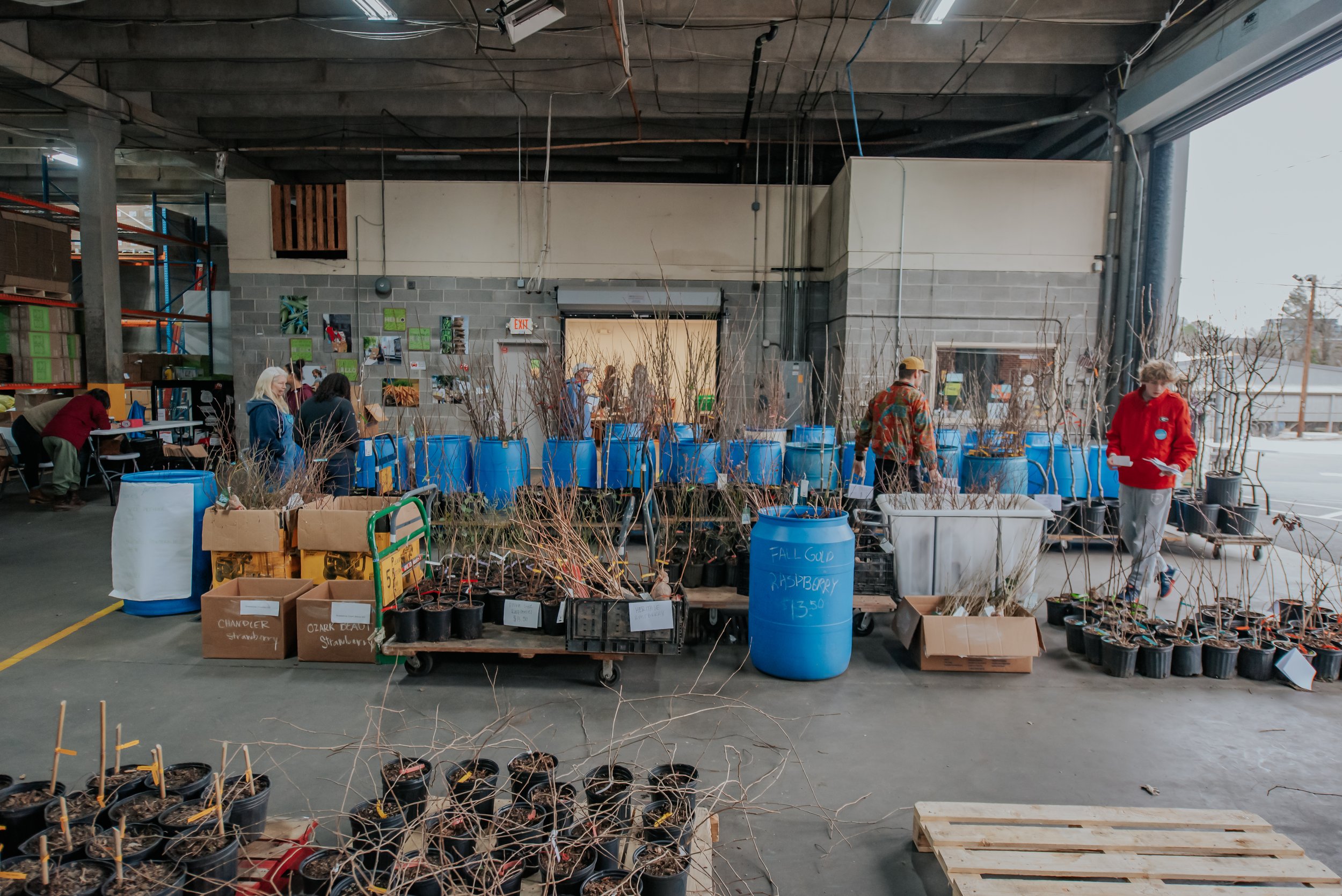
Join us at the annual Fruit Tree Sale on Saturday, February 13. Shop over 80 varieties of fruiting plants suitable for Georgia’s climate, now including citrus! This year, we’re partnering with Community Farmers Markets to offer an additional pickup location at the Grant Park Farmers Market on Sunday, February 14. Here is a quick guide to help you get started.
Every tree you purchase helps us plant more orchards around metro Atlanta, increasing access to fresh, healthy food.
Shop Online: November 18, 2026 - February 8, 2027
The online store is now OPEN!
Online purchases WILL NOT BE SHIPPED. When placing your order, you will need to select your pickup location/date:
970 Building: February 13, 2027
Pre-order online now through February 8, 2027
Pick-up Time: 10 am - 1 pm
Address: 970 Jefferson St NW, Atlanta, GA 30318
Free parking will be available on site
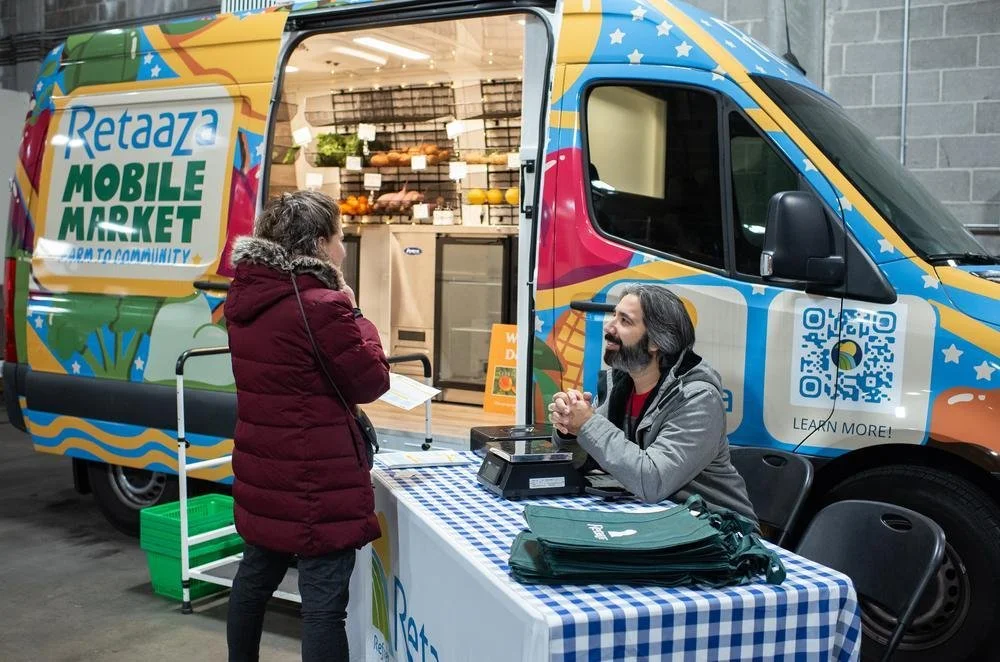
We will be accepting SNAP purchases on this day, thanks to our sales partner Retaaza
Grant Park Farmers Market: February 14, 2027
Pre-order online now through February 8, 2027
Pick-up Time: 9 am - 1 pm
Address: 1040 Grant St SE, Atlanta, GA 30315
You'll receive an email before the farmers market with more details on where to pick up your plants
We will also be selling any leftover trees from our in-person sale at the Grant Park Farmers Market, and accepting SNAP purchases, thanks to our sales partner, Community Farmers Markets
Shop In-Person: February 13, 2027
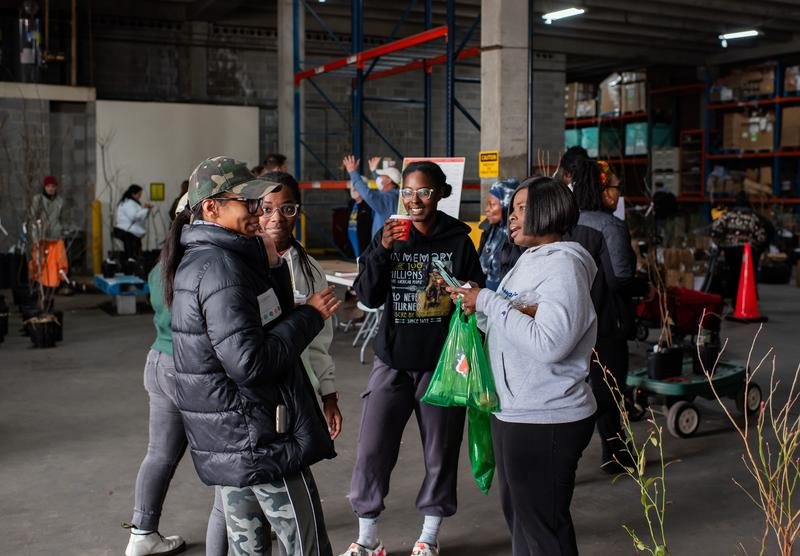
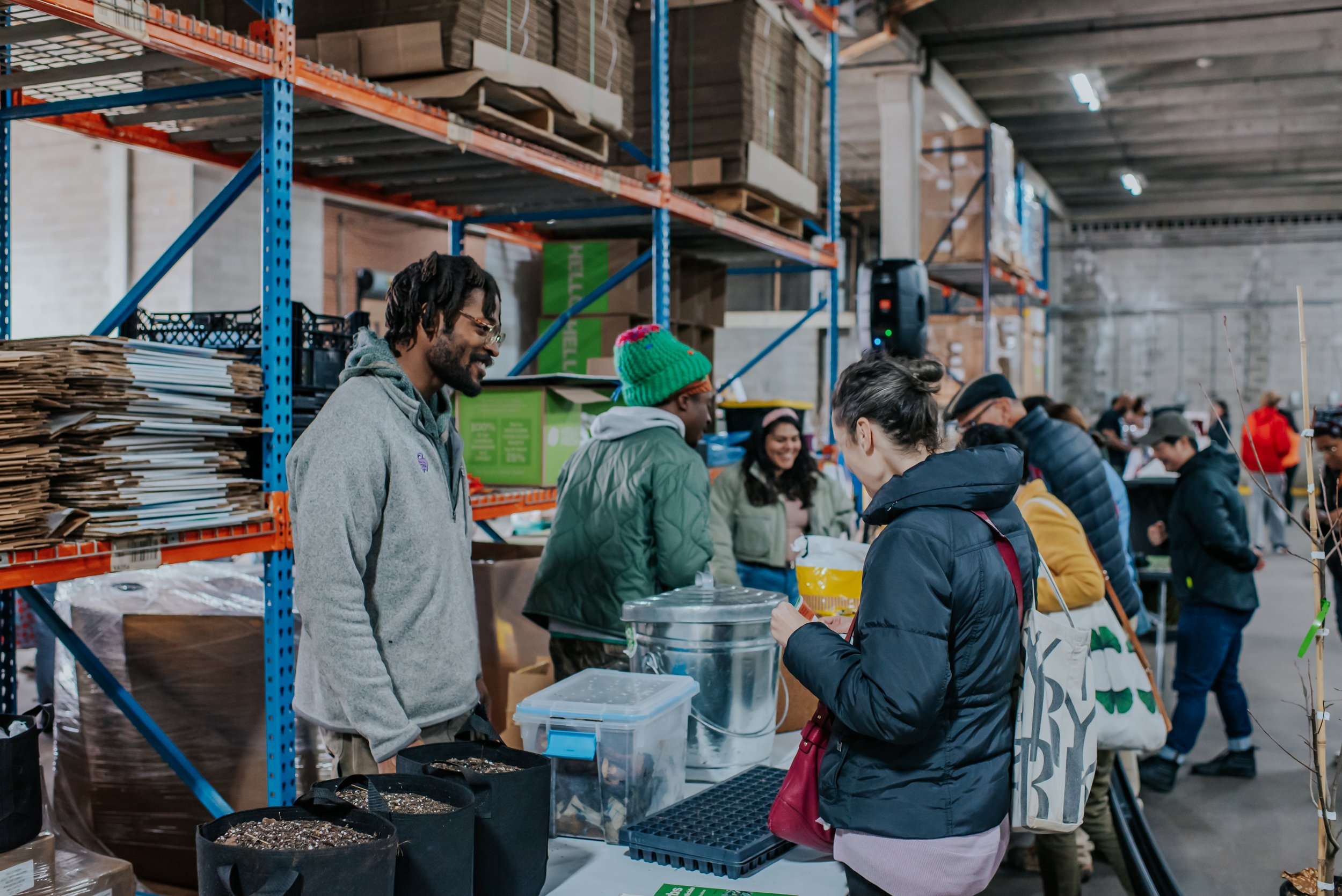
The in-person sale will be open from 10am - 1pm and located at 970 Jefferson St. NW, Atlanta, GA 30318.
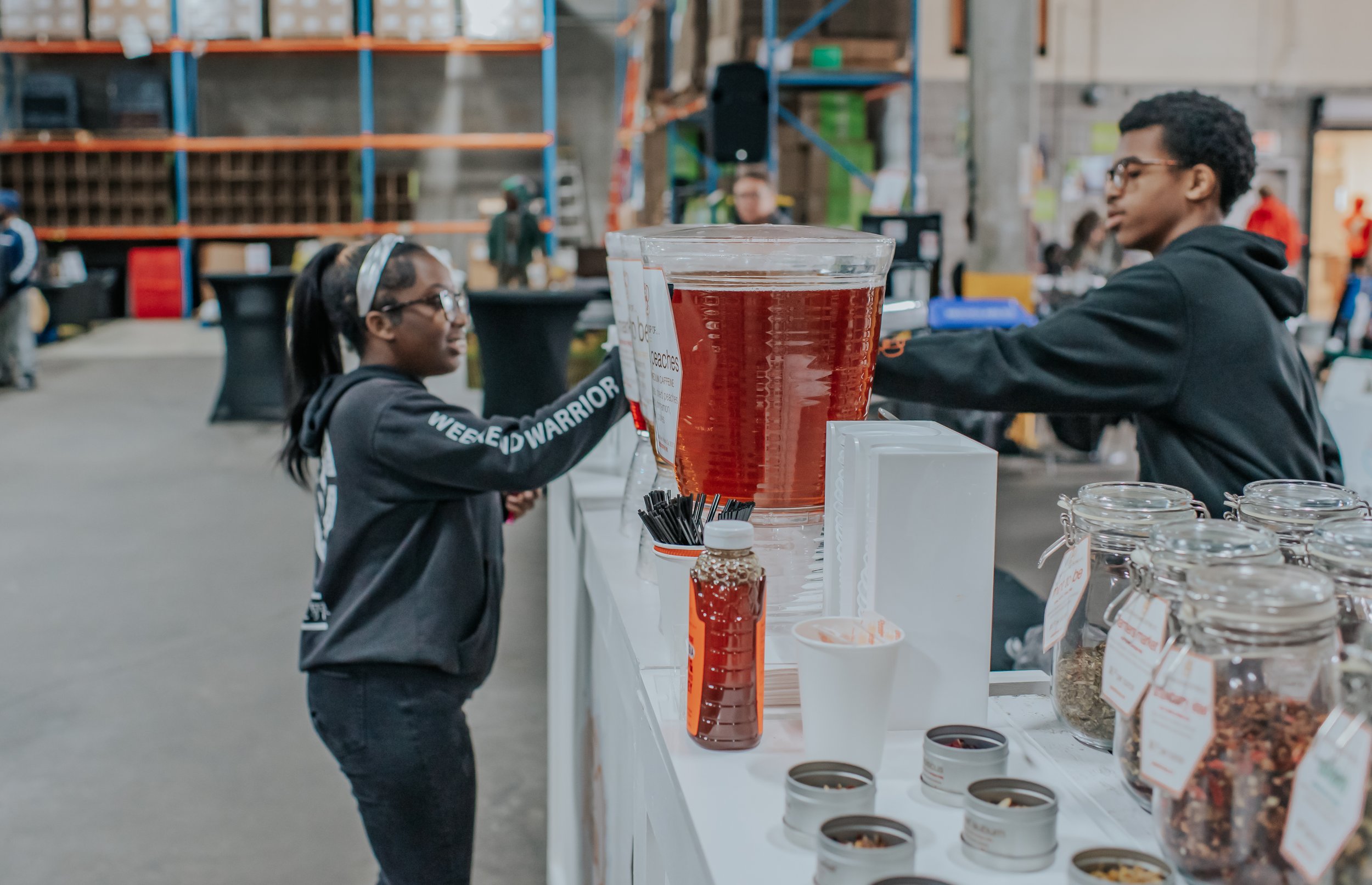
Whether you are shopping in person or picking up, please stick around for FREE educational workshops on fruit tree maintenance and enjoy a variety of FREE fruit-inspired drinks and snacks.
Experts will be available to help you select the right fruit tree for your situation.
Please note that no dogs are permitted at the event, with the exception of certified service dogs.
Important Updates for SNAP Shoppers!
Thanks to our sales partners Retaaza and Community Farmers Markets, we can accept SNAP at both in-person sales. Shoppers can pre-order trees using this request form. Pre-orders reserve your trees, and payment is due at the time of pick up in February.
Currently, SNAP shoppers receive a 50% discount, capped at $50 per order, through Wholesome Wave Georgia’s Fresh for Less Program. Please keep in mind that the discount may change before or at the time of pickup. We’ll do our best to keep presale shoppers updated on any changes.
Workshops & Education
Set your fruit trees up for success! Join a free workshop at the Fruit Tree Sale to learn how to care for and maintain your trees. We'll share workshops in January 2027.
Vendors & Exhibitors
In addtion to the Fruit Tree Sale, we also host local vendors who offer FREE samples and have items for sale. Stay tuned for more details on who's showing up for this year's sale.
Have Questions?
Review our Fruit Tree Sale FAQs below for answers to common questions.
To ask a question about the sale or the plant/tree selections, please email fruittreesale@foodwellalliance.org.
Check out our general planting information on the fruit tree, bush, or vine you’re interested in purchasing.
Sign up for our monthly email newsletter to learn about upcoming events, news, and resources from Food Well Alliance.
Food Well Alliance works with many local and regional nurseries to reserve species that are ideal for Georgia climates and popular selections for our sale. All proceeds benefit Food Well Alliance programs and operations, including The Orchard Project.
Additional Resources

Fruit Tree Planting Guide

Pruning Guide

Fruit Tree Selection Guide
Fruit Tree Sale Partners


Frequently Asked Questions
-
All sales are final. Since we cannot control the conditions of plants after they leave the Fruit Tree Sale, we are not able to take responsibility for plants that do not thrive and can not offer a refund or replacement.
We take a careful inventory and quality check to ensure their health. Most plants are dormant at pickup, which is optimal for planting. You should not expect to see leafing or budding.
If plants are not thriving, it is typically a result of waiting too long to plant (roots dried out before planting), soil, location, or other issues within your garden.
-
We carefully select our varieties to ensure that they are well-suited to our Georgia climate and less prone to disease, minimizing the need for chemicals.
Most of the plants are grown with organic practices (but are not Certified Organic). As long as you use organic practices in your own growing process, then you'll be good to go!
-
If you’re having trouble adding items to your cart, it could be because you haven’t selected a pickup location first. Click on the item you want to purchase, and on the left, there will be a “How to get it” section above the “Add to Cart” button where you can select either 970 Building or Grant Park Farmers Market for pick up.
-
Unfortunately, we don’t have a facility where we can store plants before or after the event, so you must pick up your plants! All plants that remain after the sale will be donated to The Orchard Project, which plants orchards across metro-Atlanta.
General Planting Information
-
Apple trees require cross pollination. Trees should be spaced 20 ft apart and will grow to be an average of 20 ft tall. Trees require 6+ hours of direct sunlight but prefer full sun. Apple trees usually begin bearing fruit in their 3rd year and will be fully productive by their 6th year.
-
Pear trees require cross pollination but because of the prevalence of ornamental pears in Atlanta, it is not necessary to buy pollinator trees. Trees need 15-20 ft diameter space around them and will grow to be an avg of 20 ft tall. Trees require 6+ hours of direct sunlight but prefer full sun. Pear trees usually begin bearing fruit in their 3rd year and will be fully productive by their 6-10th year.
-
All varieties are thornless, self-pollinating and do not require trellising. Plant 4-5 feet apart. Plants will grow 4-5 ft and will bear fruit on their second year and increase in productivity annually.
-
Cross pollinate with another variety of blueberry for better production (i.e. buy two blueberries of different varieties). Plant 6 ft apart. Blueberry bushes can grow up to 8 ft tall if unpruned. Blueberries will bear fruit in 3rd year and be fully productive by their 6th year.
-
Native. Elderberries grow as a bush 8-10 ft wide and tall. Plant 6-8 feet apart. Elderberry can tolerate partial shade to full sun and wet, low-lying areas. Will begin producing after 2-3 years and be fully productive by their 5th year.
-
Self-fruitful. Trees should be spaced 20-30 ft apart and will grow to be an avg of 8-10 ft wide and 20’ tall, if unpruned. Trees require full sun. Fig trees usually begin bearing fruit in their 2nd or 3rd year.
-
Self-fruitful. Plant berries 4 ft apart and will grow to be an avg of 6 ft tall. Berries require full sun. Goji berries will fruit after 2 years and be in full production in their 5th year.
-
Native Hazelnut grows as a shrub up to 12’ wide and 18’ tall. Requires cross-pollination. Prefers 6+ hours of full sun. Will begin producing nuts after 3 years.
-
Requires male and female vine. Kiwis need 12 feet in diameter space around them and a very sturdy trellis.
-
Native, self-fruitful. Vining plant should be planted along a sturdy trellis, 25-30 ft apart. Muscadines can tolerate partial shade to full sun. Plants will begin bearing fruit on their 2nd or 3rd year and steadily increase in production.
-
Native. Requires cross pollination. Plant trees 15-20 ft apart, will grow to be an average of 20 ft tall. Pawpaws prefer full sun but will tolerate partial shade. Pawpaws also perform well in damp areas. Will begin to bear fruit in 3-5 years.
-
Pear trees require cross pollination but because of the prevalence of ornamental pears in Atlanta, it is not necessary to buy pollinator trees. Plant trees 15-20 ft apart, will grow to be an avg of 25 ft tall. Trees require 6+ hours of direct sunlight but prefer full sun. Pear trees usually begin bearing fruit in their 3rd year and will be fully productive by their 6-10th year.
-
Self-fruitful. Japanese varieties. Trees should be planted 15 ft apart and will grow to be an avg of 20 ft tall. Trees prefer to grow in full sun. Persimmon trees usually begin bearing fruit in their 3rd year and will be fully productive by their 6th year.
-
Self-fruitful. Pineapple guava is an evergreen, small tree/shrub. Trees should be planted 10-20 ft apart and will grow to be an avg 15 ft tall. Prefer full sun and will begin bearing fruit 3rd year.Item description
-
Self-fruitful. Plant trees 15 ft apart and will grow to be an avg of 15 ft tall. Trees require 6-8 hours of direct sunlight. Plum trees usually begin bearing fruit in their 3rd year and will be fully productive by their 6th year.
-
Self-fruitful. Trees need 15 ft diameter space around them and require full sun in a dry, south-facing area. Pomegranates will grow to be an avg of 15 ft tall. Pomegranate trees usually begin bearing fruit in their 3rd year and will be fully productive by their 6th year.
-
Self-fruitful. Plant raspberries 2 ft apart in full sun. Plants will grow rapidly and bear fruit in their first year. No trellis required.
-
Native. Self-fruitful. Plant trees 15 ft apart, will grow to be an avg of 15 ft tall. Serviceberries prefer full sun but can tolerate part shade. Trees will begin producing in their 3rd-5th year.
-
Plant strawberries in late-March, early April. Plant 18 in apart in full sun. Will begin to bear fruit in June.