Creative Enterprises | Community Garden and Orchard

Creative Enterprises

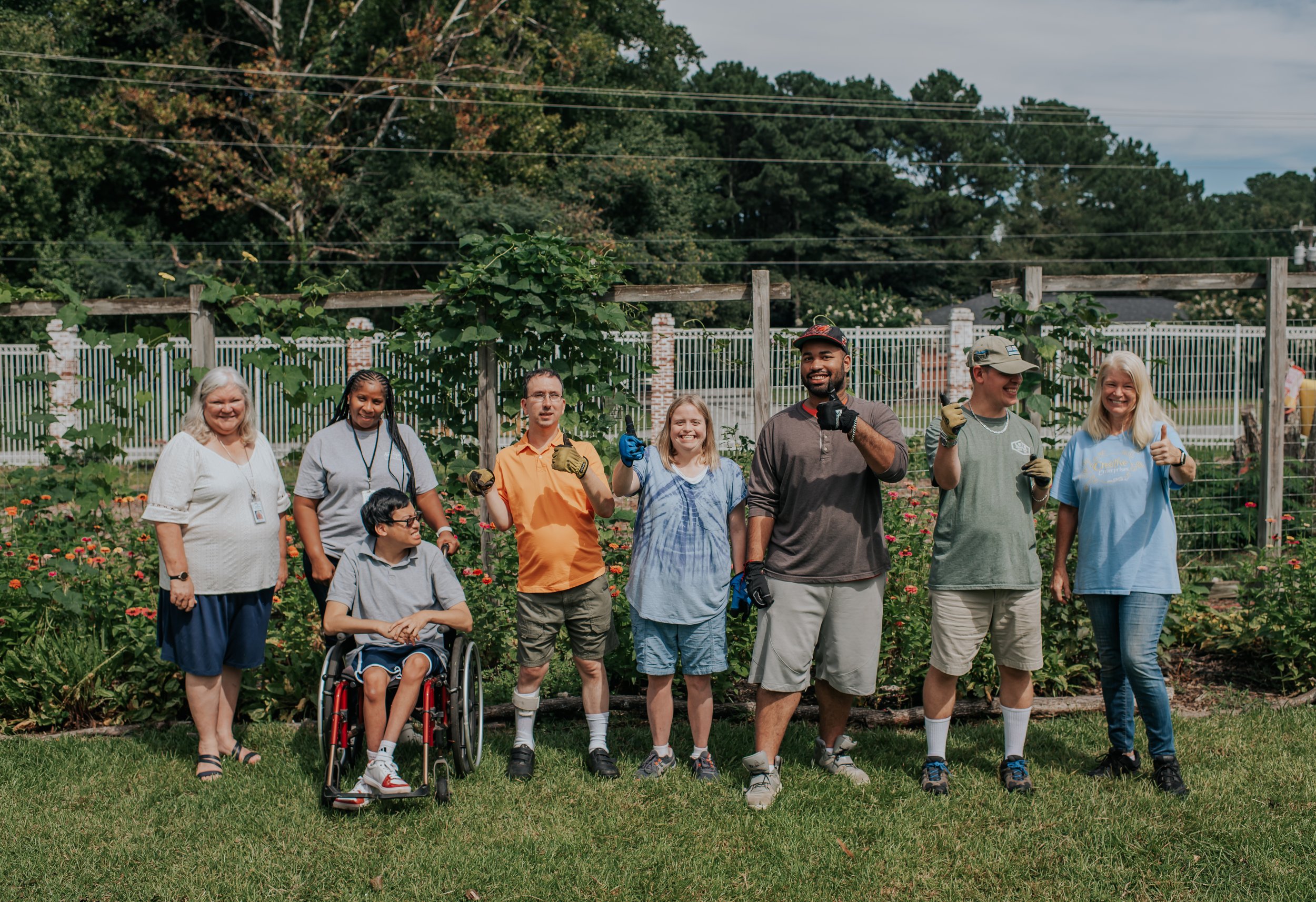
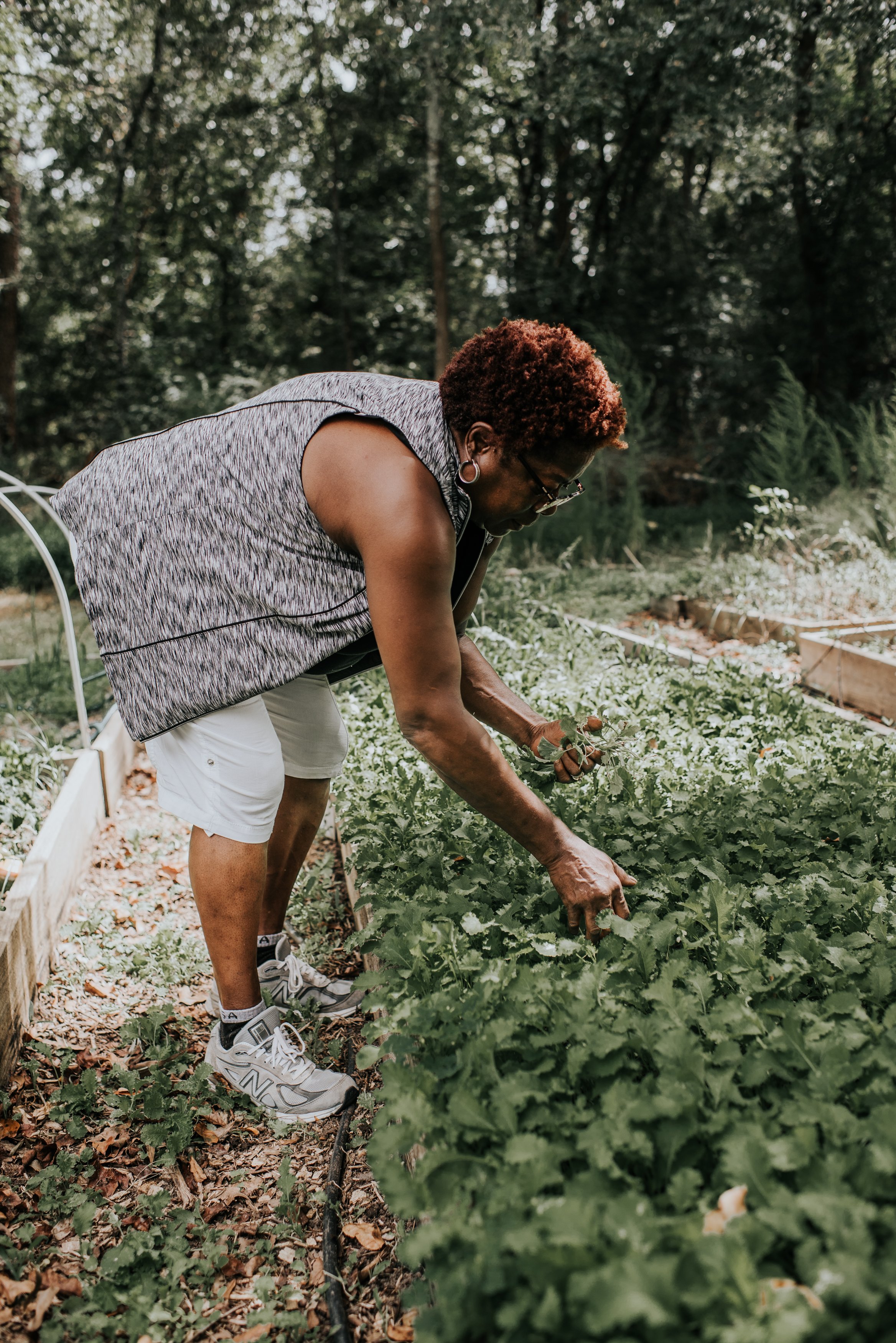
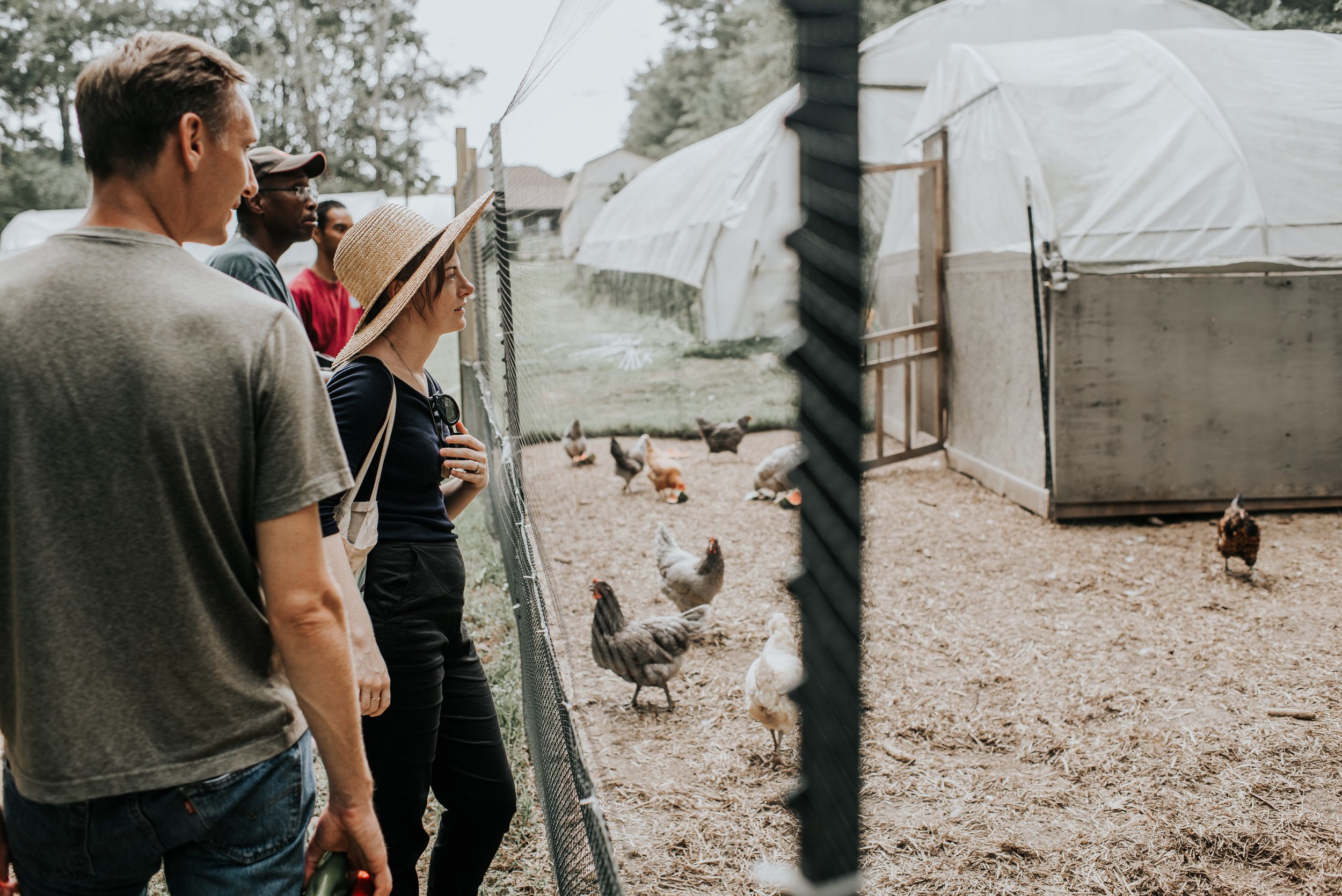
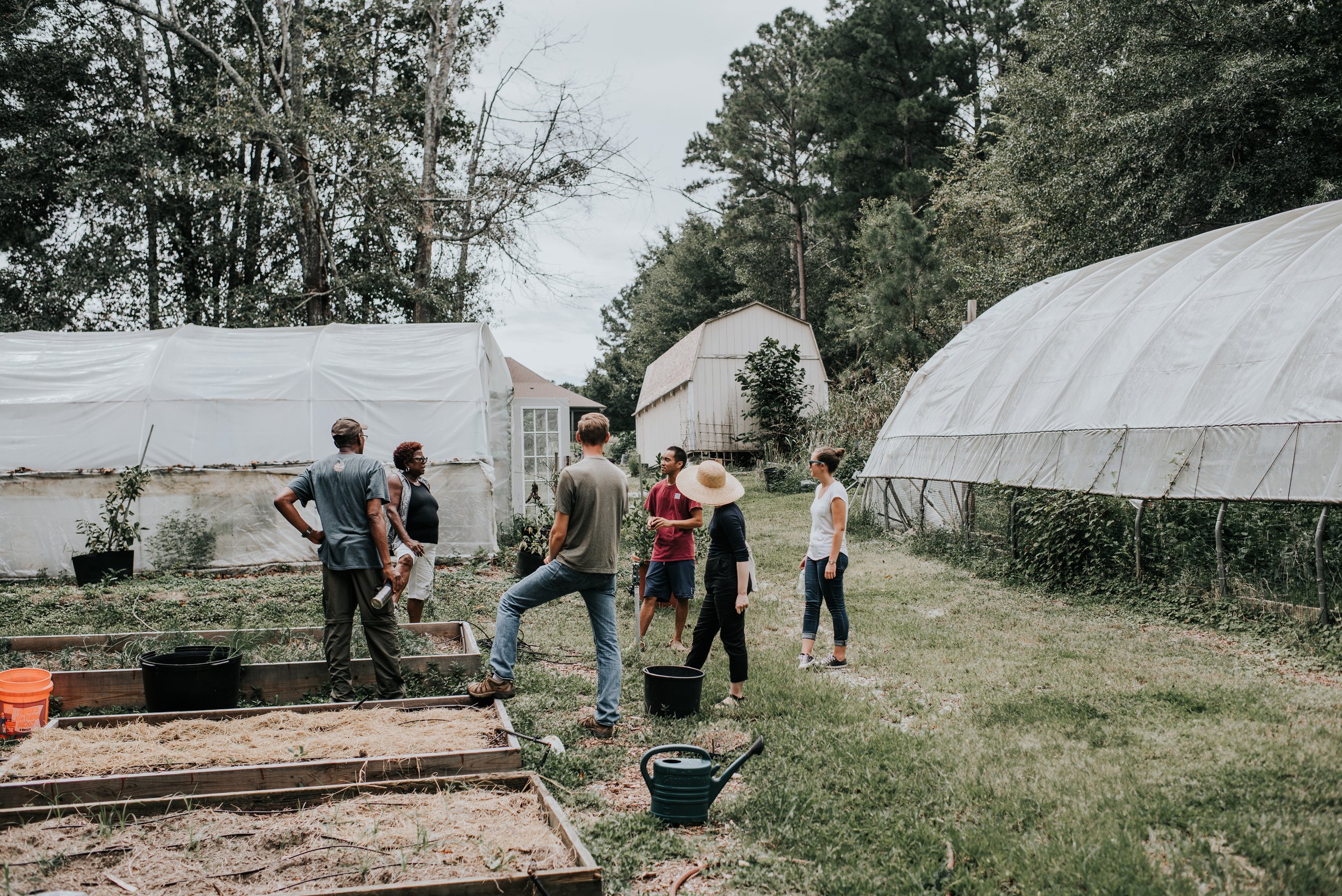
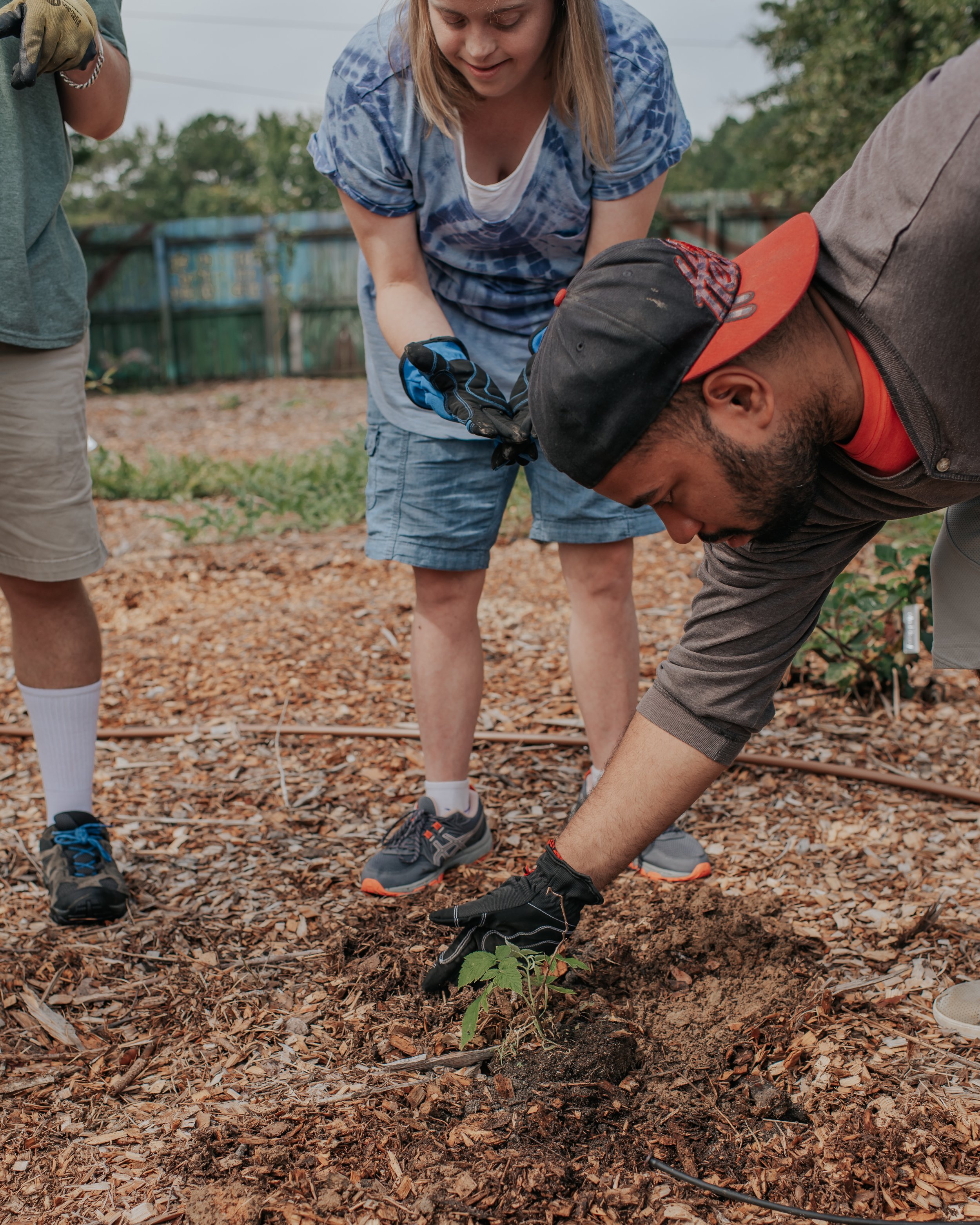
Creative Enterprises students in the community garden: (l-r) Leigh McIntosh, Camile Williams, Phong Nguyen (front), Chris Dowie, Nicole Rechnor, Dante Myers, Josh Jansma, and Beth Arechiga.

Community Garden and Orchard

Lawrenceville, Gwinnett County

Creative Enterprises is a nonprofit that provides life skills training and employment opportunities to adults with disabilities through educational programs and job placement assistance. “We veered off from just workshops and work-oriented things to teaching classes,” said Leigh McIntosh, Executive Director of Creative Enterprises. “Those classes were determined by what our clients were interested in. Every year, the clients have a plan called the individual service plan. And so whatever their goals are, we work with them on daily living skills, fitness programs, and this kind of work helps with their desire to be productive.”

Part of their program includes a community garden and greenhouse at their headquarters in Lawrenceville. The Creative Enterprises Community Garden functions as a training environment for clients. Beth Arechiga, Greenhouse Administrator, oversees the garden and is amazed at how much her students enjoy playing in the dirt. “They love it,” said Beth. “They are so excited to come out here and learn about the names of flowers, bugs, and butterflies. They love harvesting and giving away the fruits and vegetables.” Creative Enterprises donates most of the food grown in the garden to volunteers, community members, the Lawrenceville Foodbank, and Lettum Eat

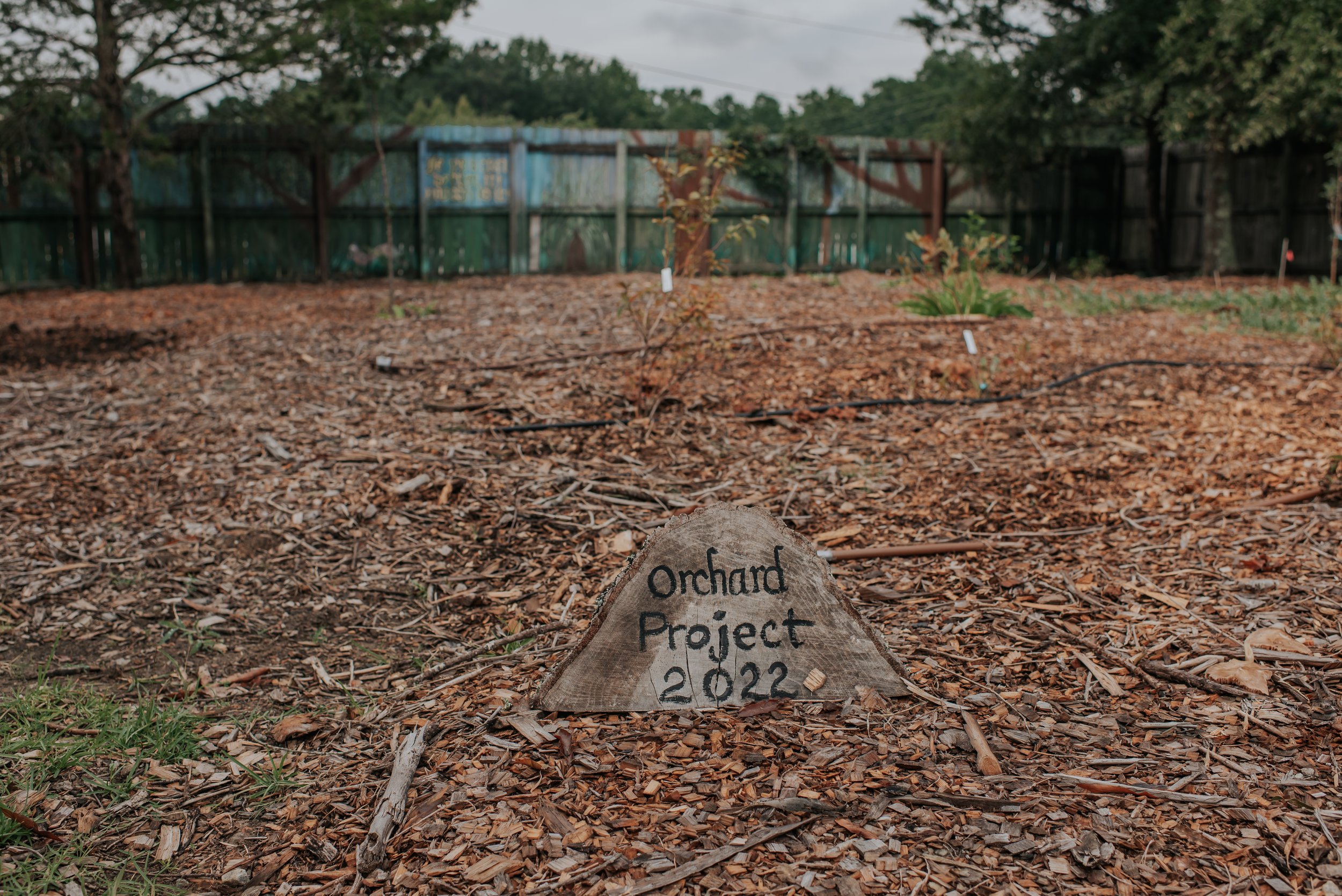
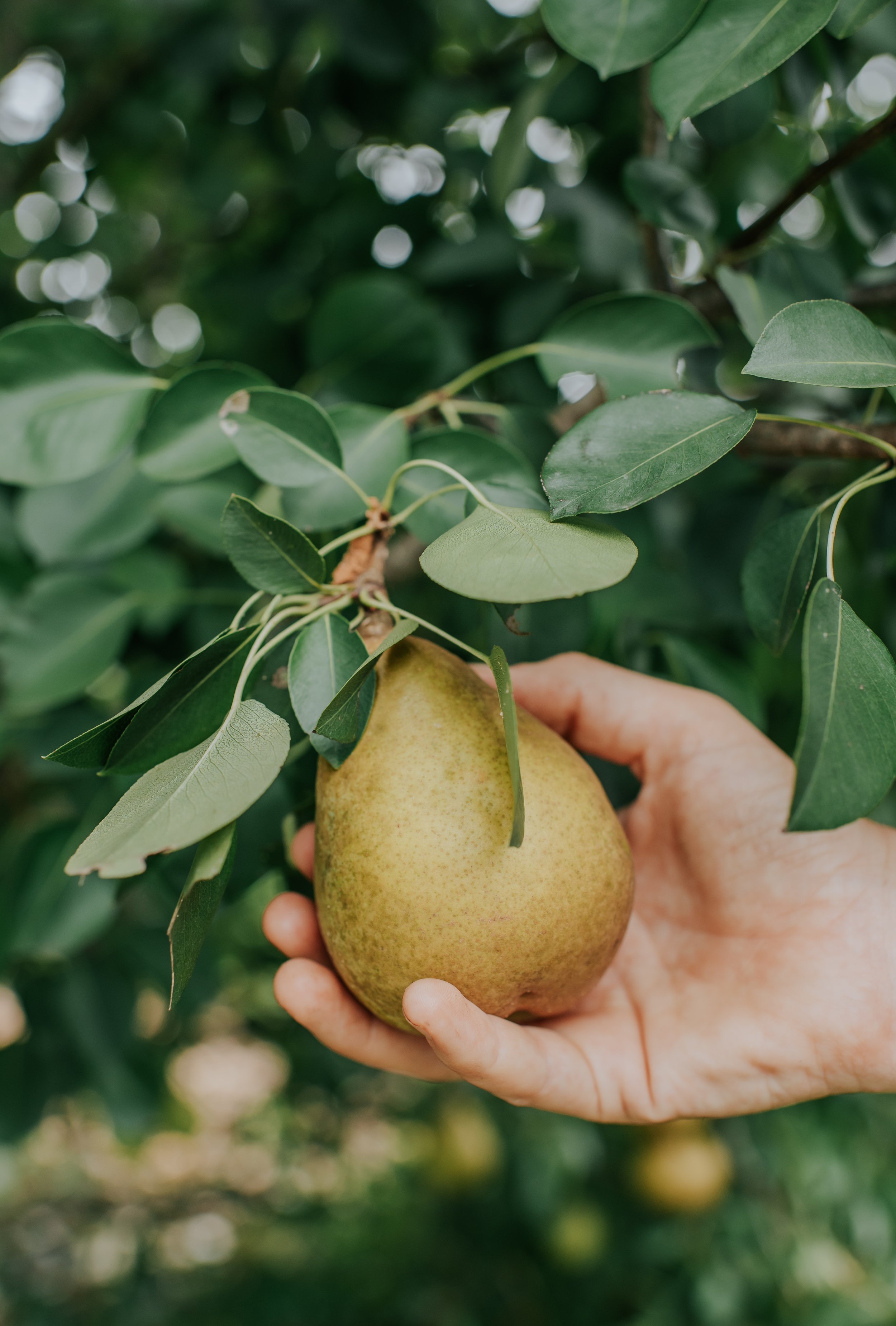
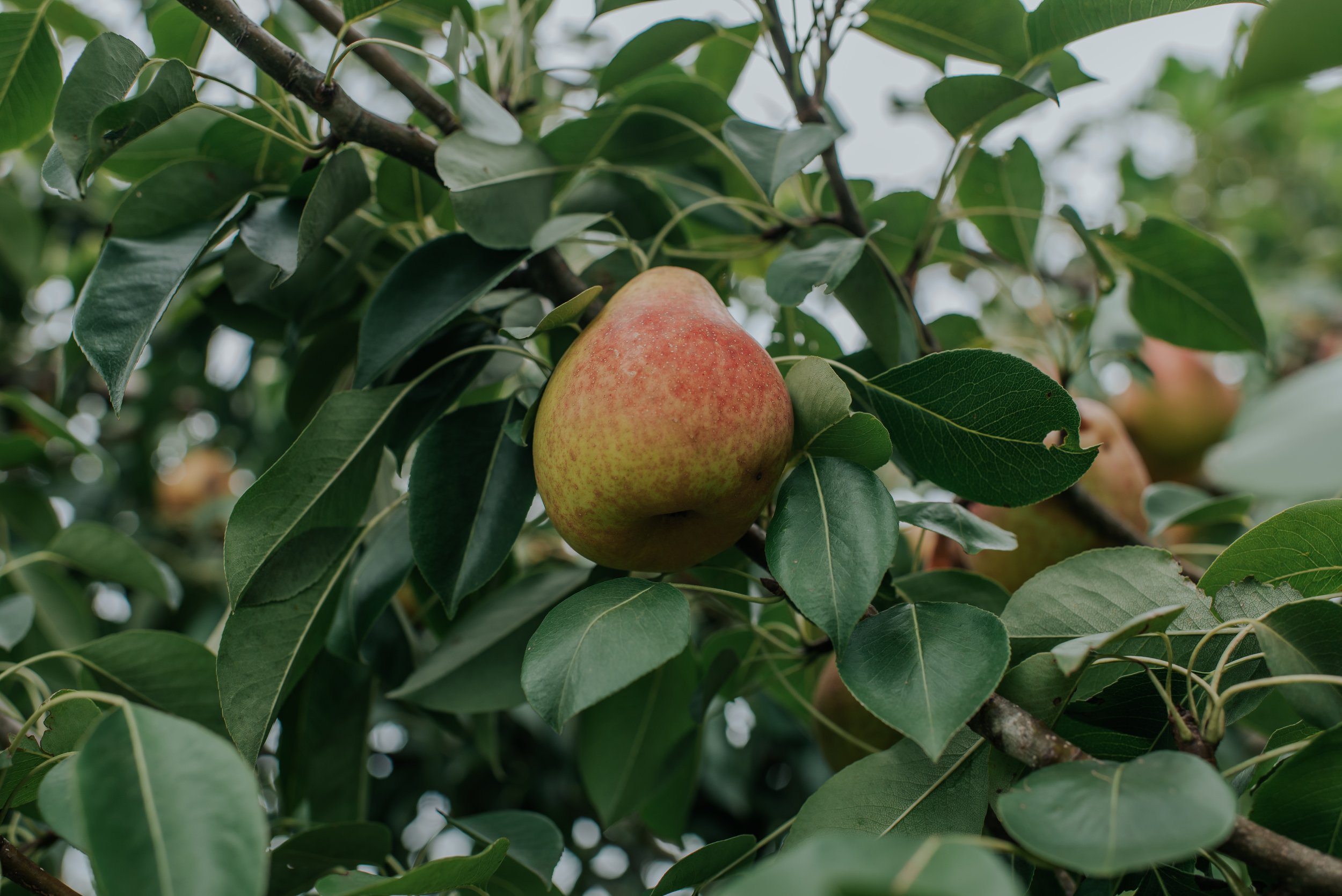
The garden is also home to one of 17 new orchards planted as part of Food Well Alliance’s Orchard Project in partnership with the Giving Grove. After hearing about it from the Gwinnett County Extension, Beth applied for an orchard. “We used to have quite a few Bradford Pear trees, but most of them had to be cut down because they’re invasive. Then we didn’t have any shade or trees, and the clients love berries.” The clients helped plant the trees throughout the garden, including elderberry trees in their hummingbird corner and Jujubes near the entrance. Their orchard also has apple trees, muscadines, blueberries, strawberries, blackberries, and raspberries. 

Leigh can’t wait for the plants to mature so they can start giving the fruit away. “One of the things I’ve learned about our clients is that all of their lives, people have been providing services for them, but here they can actually give back and they really like that. It’s fun to see them light up when they’re able to give things to people,” said Leigh.

They also received the Community Garden Grant, which they used to buy gardening tools, fencing for the orchard, and a portable sink to wash produce. “Food Well is an amazing partner,” said Beth. “Without Food Well, we wouldn't have the infrastructure that we have. They have been a major, major help and a wonderful contributor.”
Bill Crumpler | Rooted Faith Farm

Bill Crumpler

Rooted Faith Farm

Beehives in 9 growing spaces across metro Atlanta

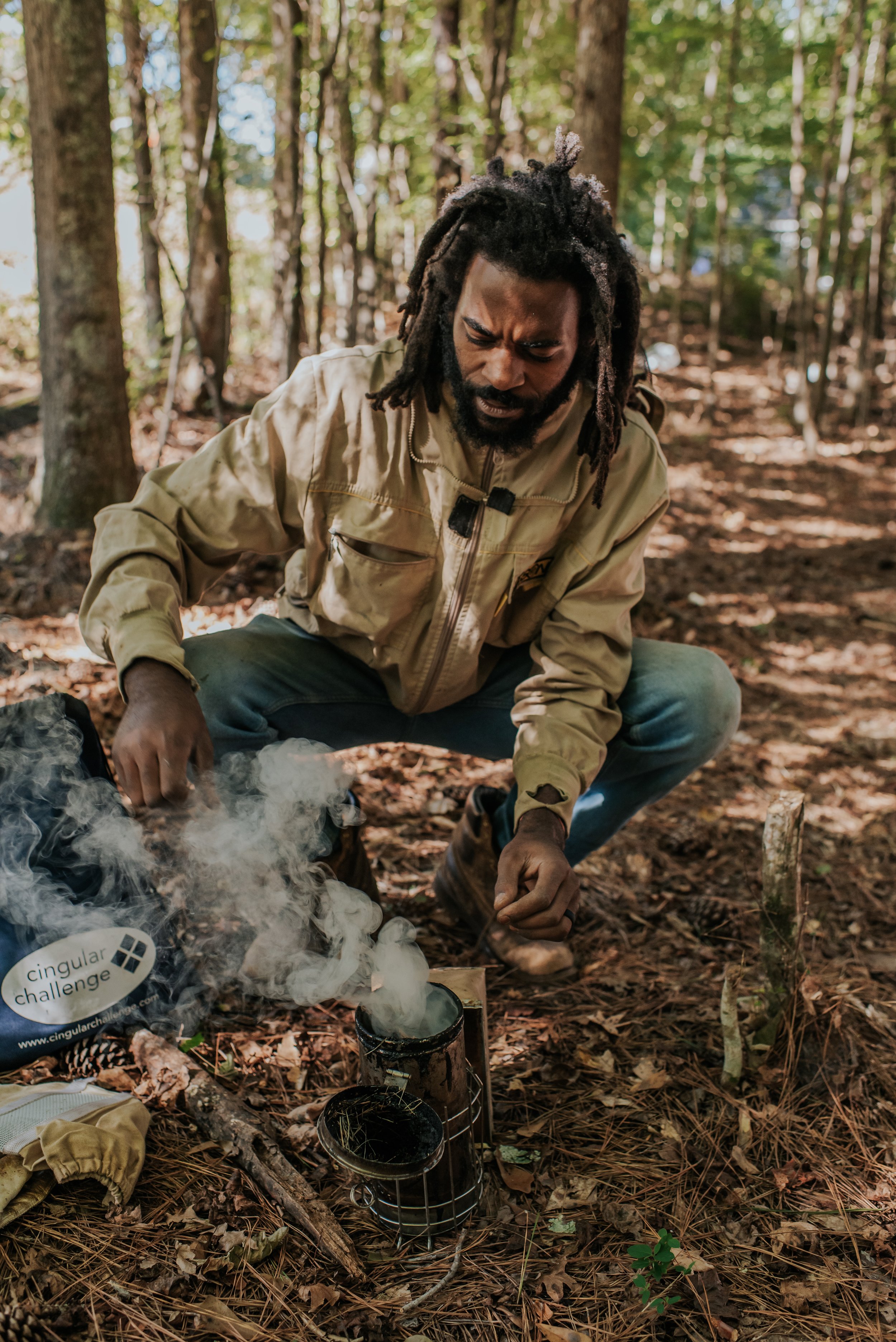
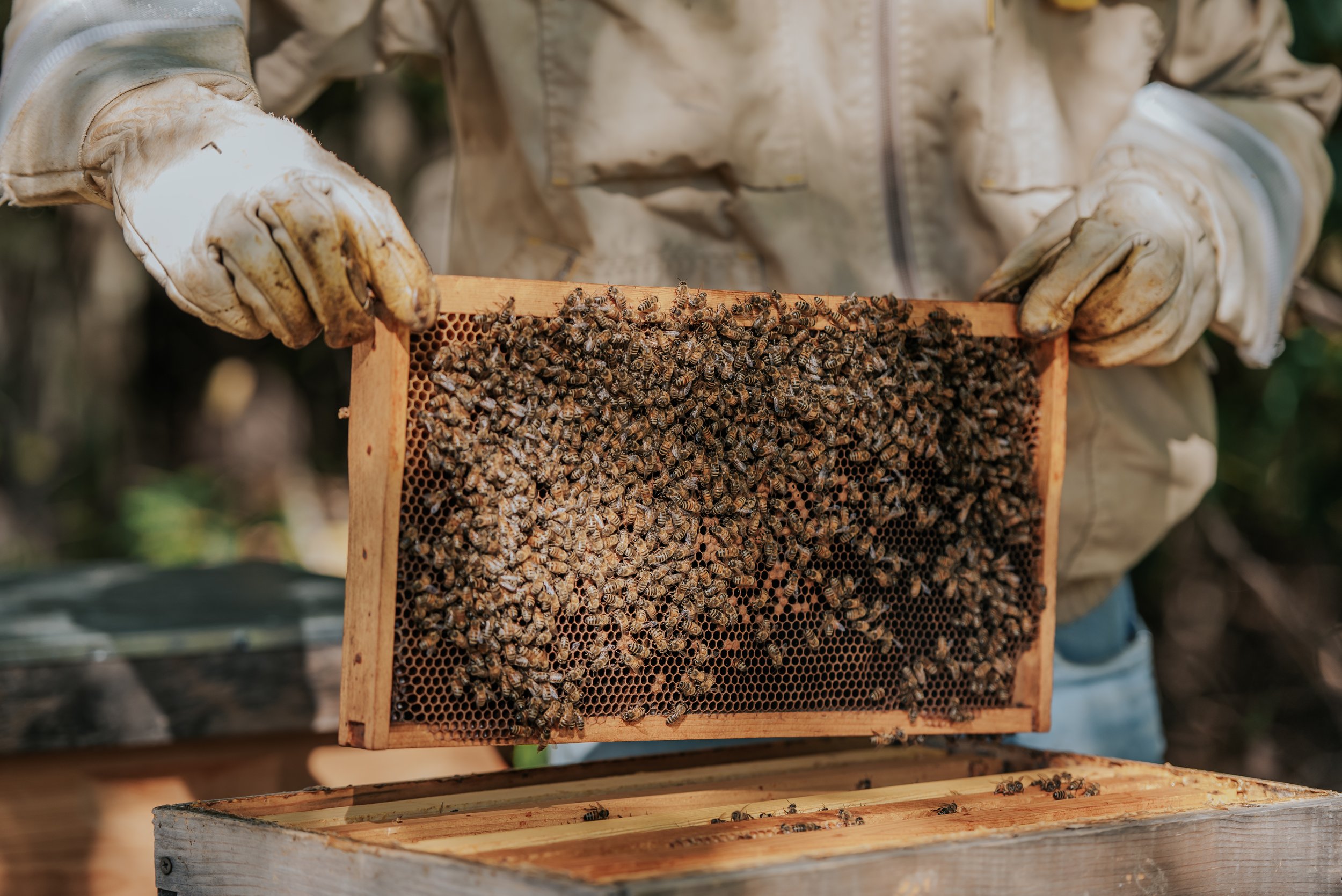
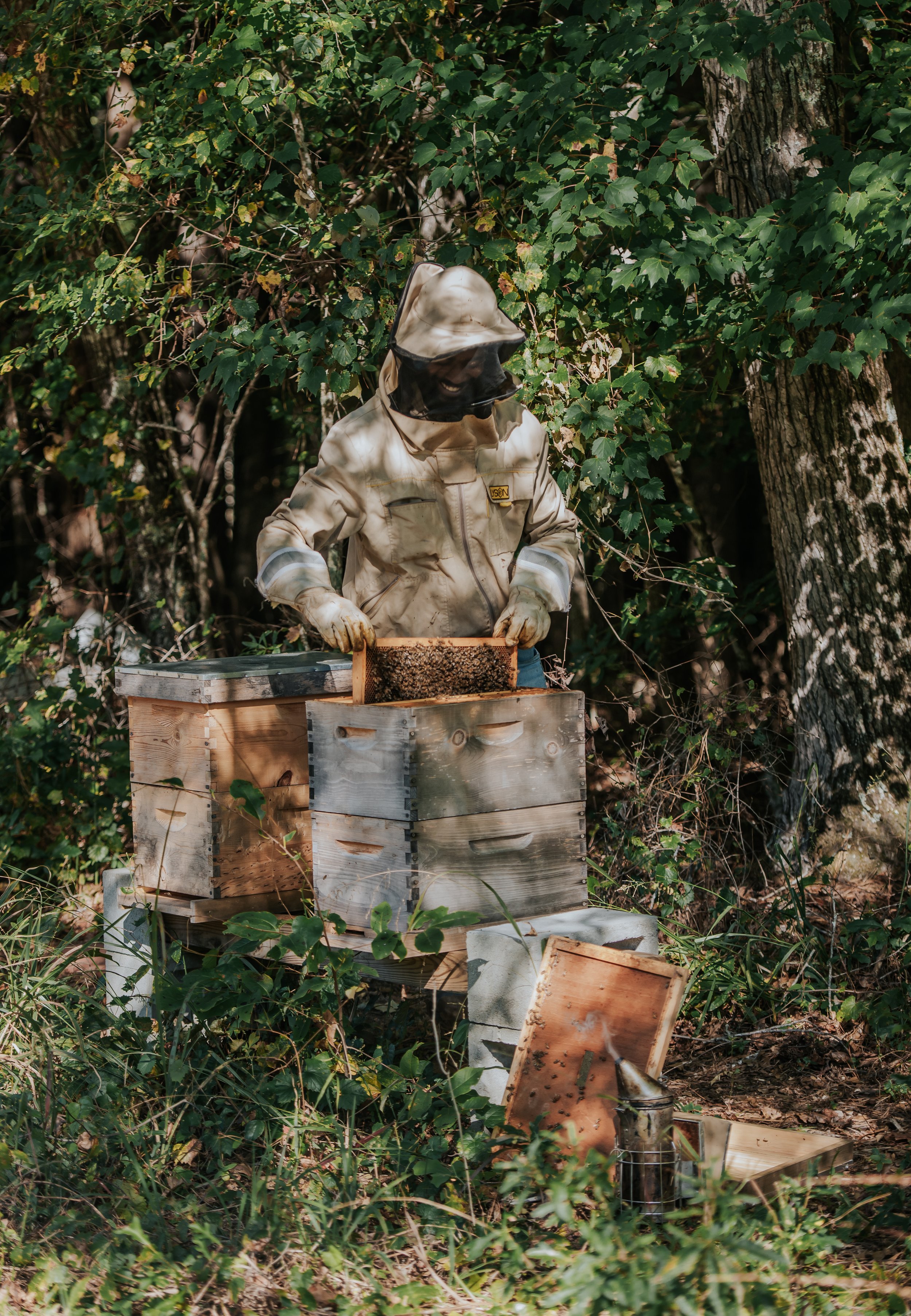
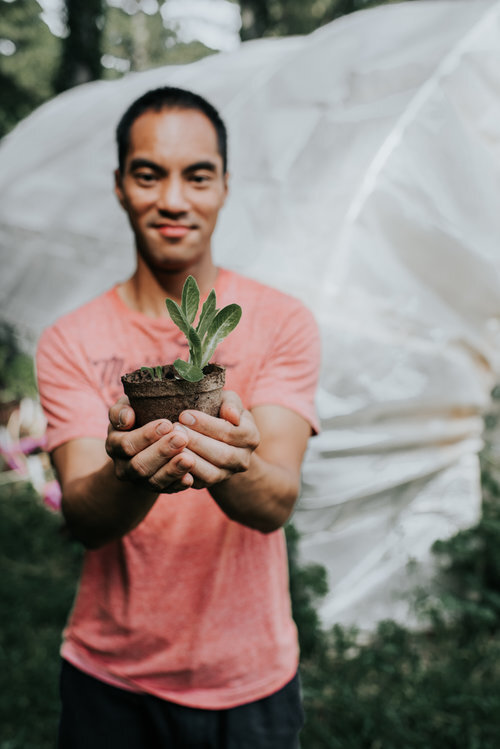
Pollinators, especially bees, are essential to growing food. Without them, we wouldn’t be able to have most of the food we eat today. Beekeeper Bill Crumpler has made it his mission to teach people the importance of caring for bees and their natural habitats. When Bill started growing food, he came across an article about how honey bees were in trouble, which sparked his interest in seeing what he could do to help. Shortly after learning more about bees, he purchased equipment and a hive. While he waited for his hive to arrive, Bill spent a lot of time on YouTube and Google researching as much as he could about bees. “In a lot of the videos, the beekeepers don’t have suits on,” said Bill. “In my mind, I thought it was going to be the same way. So I only bought a veil. When I installed the hive, everything was good, but when I checked on them the second time, I got stung.” After that, he bought a full beekeeper suit!

His hobby quickly turned into a passion and he now has an apiary of 13 hives in his parent’s backyard in Fayetteville. “My goal is to educate people on pollinators so we won’t fear bees and realize that we actually need them,” said Bill. 
This year, Bill received a Resource Provider Organization Grant from Food Well to spread his knowledge of beekeeping to growers in the metro Atlanta area.  Through the grant, he was able to purchase and install hives at eight locations around metro Atlanta, including Baby Katie’s Farm, HABESHA, Cedar Seeder Farm, PolyCulture Productions at Gaia Gardens, Metro Atlanta Urban Farm, Golightly St. Community Garden, Firdous Community Garden at Mohammed Schools, Seal’s Family Farm, and he installed a ninth hive at Agrowkulture

For growers who already have to juggle a million things, learning how to care for a beehive can be a lot, plus there’s plenty of misinformation online. “There are so many discrepancies when you do research. Often you don’t know what you can and can’t do or what’s true or false,” said Bill. He visits the sites twice a month to check on the beehives and teach the farmers how to care for them. “With the grant from Food Well, I could focus on educating farmers in Atlanta about bees and how they can incorporate them into their operation,” said Bill. “I’m always trying to make the process better because I just want more people to have bees.”

Nobie Muhl and Alexis Haggerty | Good Samaritan Farm

Nobie Muhl, Farm Manager at Good Samaritan Farm

Nobie Muhl and Alexis Haggerty

Good Samaritan Farm

West Atlanta, Fulton County

When Nobie Muhl first started working at Good Samaritan Farm as a farmhand in 2016, she only planned to stay for the summer. However, she fell in love with the work and ended up becoming Farm Manager. “Food Well Alliance has been a huge support for me,” said Nobie. When she transitioned to Farm Manager, Food Well’s Bobby Farmer reached out to see what she needed. “Food Well to me is just a part of my experience working here at Good Sam. You provide us with volunteer groups which have always been helpful for us. Having you right in our backyard and going to all the foodie events – it’s just been a nice and valuable relationship.”  

Alexis Haggerty, Assistant Farm Manager at Good Samaritan Farm

 Together with Farm Assistant Alexis Haggerty and their resident kittens, Nobie tends to the 1-acre farm nestled behind the Good Samaritan Health Center. On average they produce 9,000 pounds of fruit and vegetables annually which are made available to the patients at the clinic and the wider community through The Market at Good Sam. “There’s a lot of excitement about that fact that it’s from the farm,” said Nobie who explained how patients can’t wait to get their hands on quality, good-tasting produce. Collard greens, tomatoes, okra, and strawberries are some favorites. 

Nobie and Alexis want to continue expanding the offerings available at the market. “My hope is that the farm can continue to be a producer of healthy, nutritious, relevant food for our patients and community members,” said Nobie. Using funds they received through the Food Well Alliance Farm Support Grant, they were able to purchase supplies and more products, specifically things that they can’t grow like grains, beans, and healthy cooking oil. “That support helps us annually by being able to purchase necessities like seeds and supplies. Plus, the compost that we receive is like receiving gold, and Food Well hooks us up every time we need it.”

Lelo Jones | Outdoor Fresh Farm

Lelo Jones

Outdoor Fresh Farm

West Atlanta, Fulton County

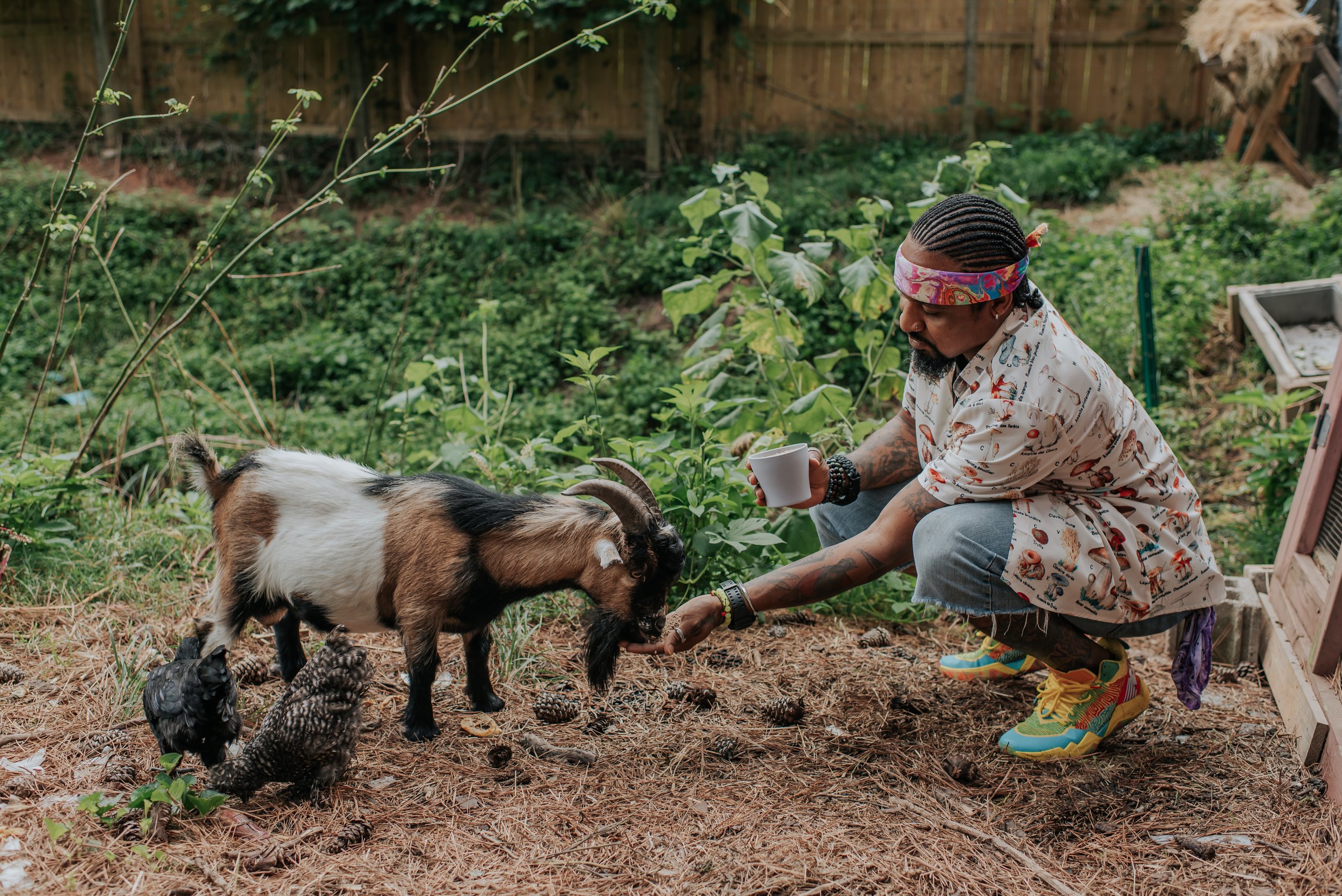
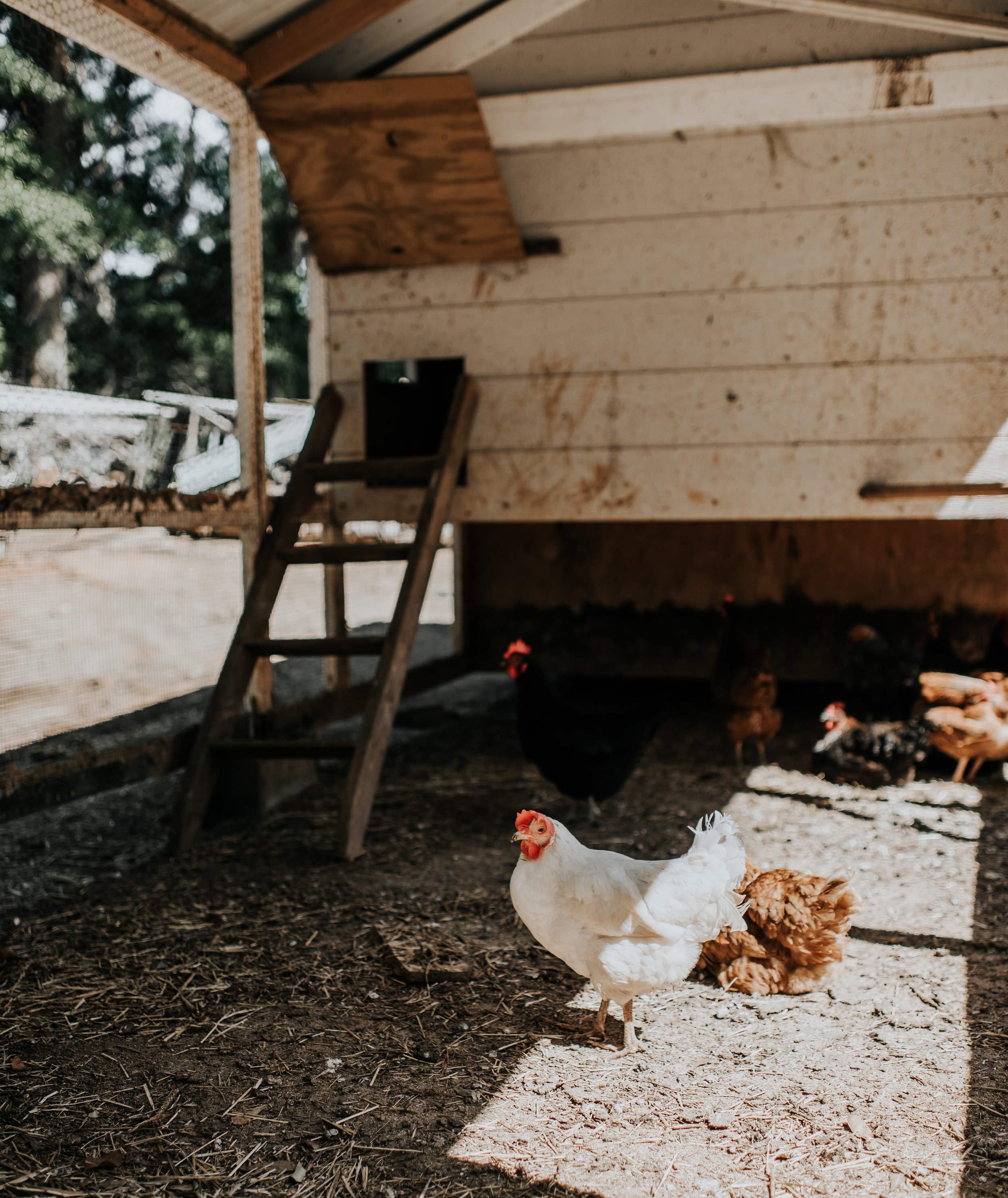
Every farm and garden we visit is unique, but there isn’t any growing space quite like Lelo Jones’ Outdoor Fresh Farm. Tall sunflowers, just as bright and cheery as Lelo himself, greet you at the entrance. In addition to the garden beds, Outdoor Fresh Farm is home to an orchard, chickens, and two goats named Poncho and Night Night.

Lelo uses his Westside growing space to teach the community about growing food using his unique blend of education and entertainment. His edutainment approach combines the old school with the new school so younger generations learn in a way that is both engaging and relevant. “That’s the mission,” said Lelo. “That’s how we can help save the world. If we just dial it back just a hair, we can live in balance and in harmony where everybody can get some and there will still be more left over.“ 

Lelo started growing eight years ago with the help of his high school art teacher and mentor Bill Murray. Lelo says as a child he always wanted to farm and wanted to be like Steve Irwin the Crocodile Hunter. After he graduated from college, Mr. Murray built him a raised bed and taught him how to grow. Lelo now shares that knowledge with others by hosting classes and teaching elementary students where their food comes from. “I take them outside to plant tomatoes, green onions, and garlic, and they’re able to taste them fresh for the first time.” When a class told him french fries were their favorite food, he used 5-gallon water jugs and some seeds to show the students how potatoes grow under the soil. 

Throughout his space, he implements creative techniques to grow food. “When the okra gets too big, I throw it on the rocks of the trail because I know I’ll step on it. The rocks help it dry out and make it easier to collect the seeds,” said Lelo. He also uses the square root gardening method, which involves dividing the raised beds into smaller squares. He’s able to grow a variety of plants in a single bed and create a symbiotic relationship between the plants. Each of his beds also has a trellis to increase his growing space. 

“I definitely wouldn’t be as far along without Food Well and the grants,” said Lelo. “They enable me to get the resources I need to grow as fast as I have grown and give me the relief to try new ways of doing things.” Lelo wants to continue to share his knowledge and make growing cool. “It’s donors like you that make our dreams possible and help us spread the mission, knowledge, and edutainment.”

Lovey Gilliam | Leafy Greens Market

Leafy Greens Market

Lovey Gilliam

East Point, Fulton County

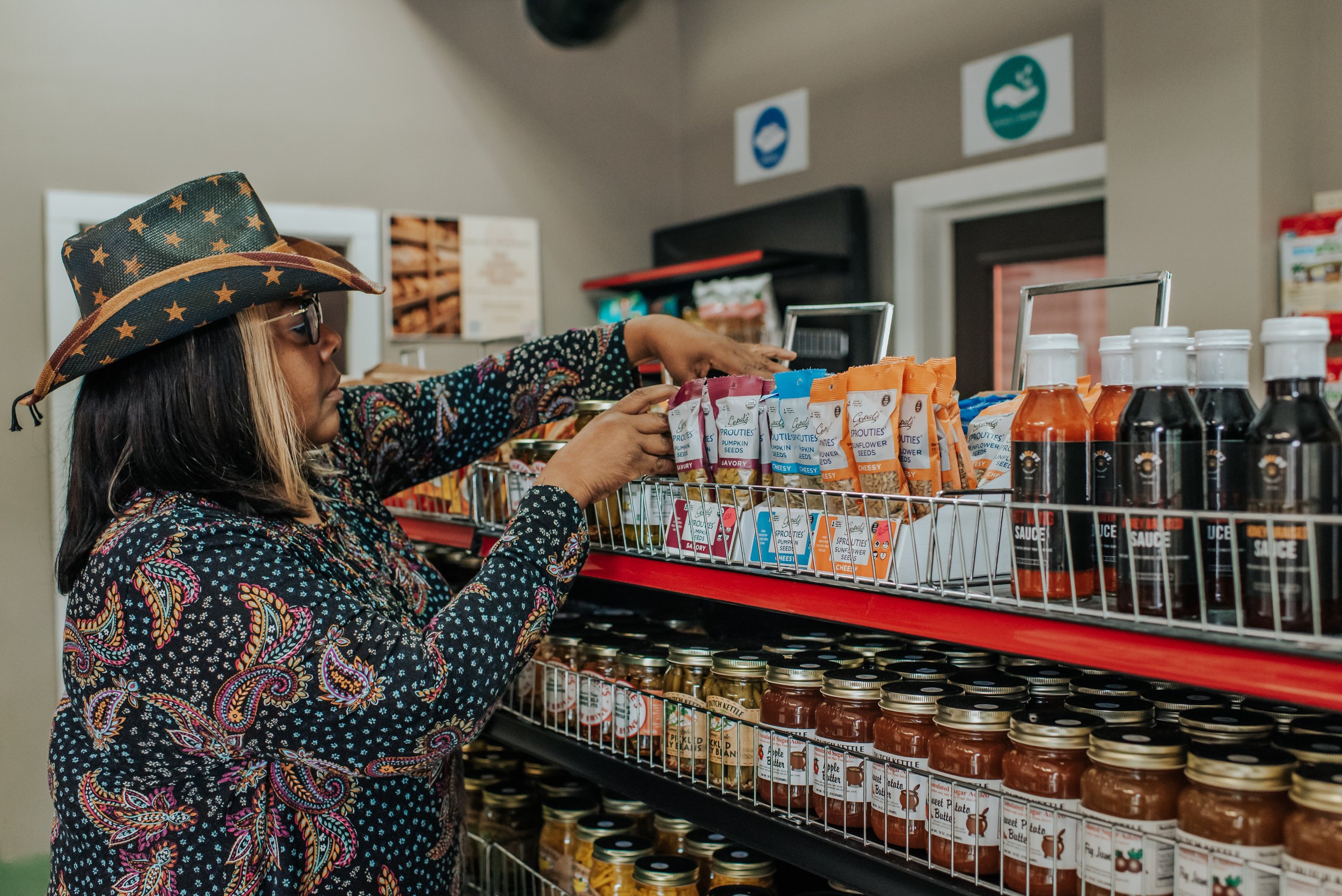
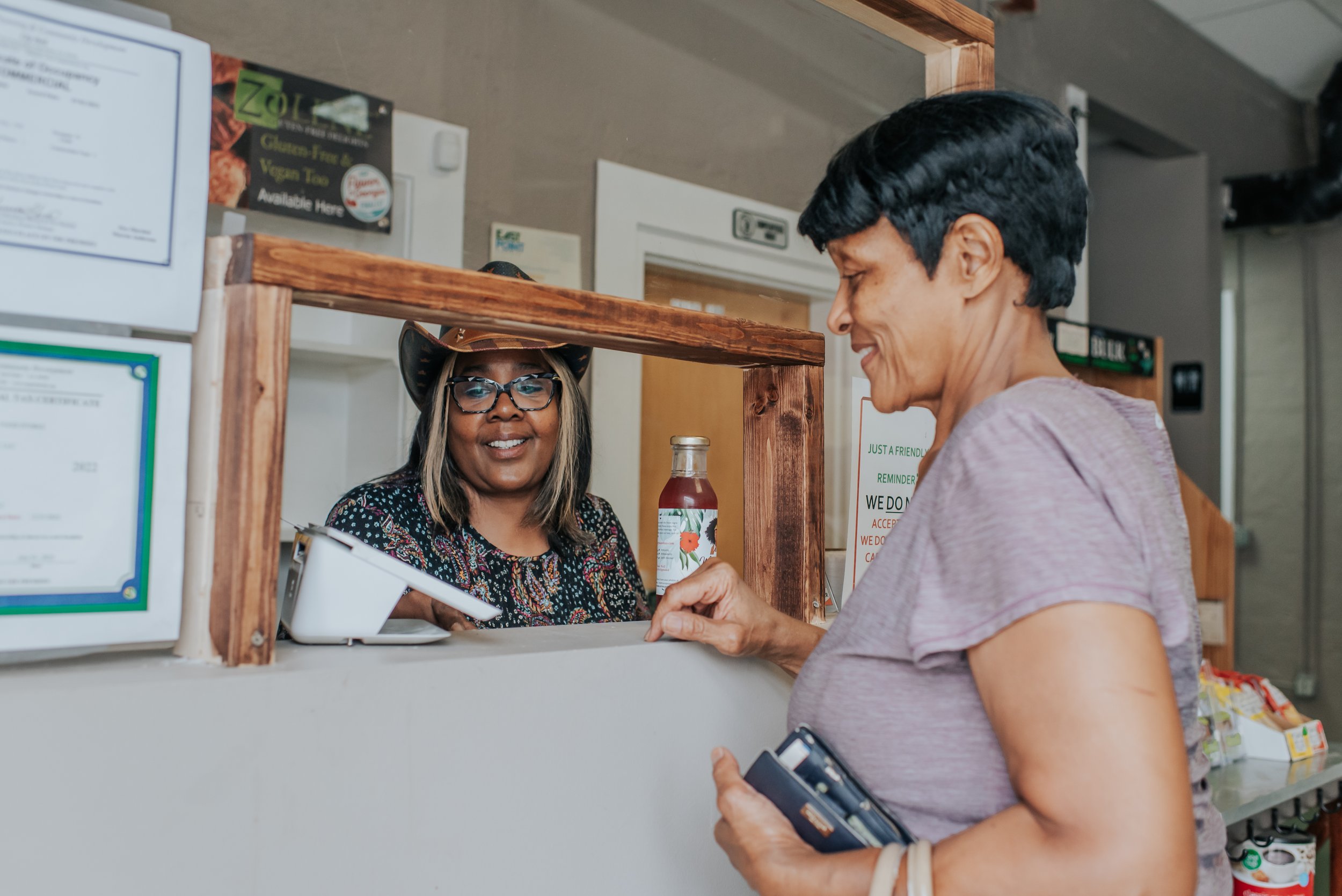
Farmer Lovey Gilliam is no stranger to Food Well Alliance. Her Southwest Atlanta farm, Gilliam’s Community Garden, has received support since 2015. In July, Lovey opened Leafy Greens Market in East Point to provide the community with locally grown food right in their neighborhood. “I can’t be the big box store, but I can be that corner market you can walk or ride your bike to and pick up the staples and necessities you need, “ said Lovey. 

The inspiration for Leafy Greens came during the pandemic. While she had a mobile farmers market she used to deliver produce, she wanted to create another option for her customers to get fresh food. Leafy Greens quickly evolved into a one-stop shop for fresh produce, made-to-order meals, and local snacks. 

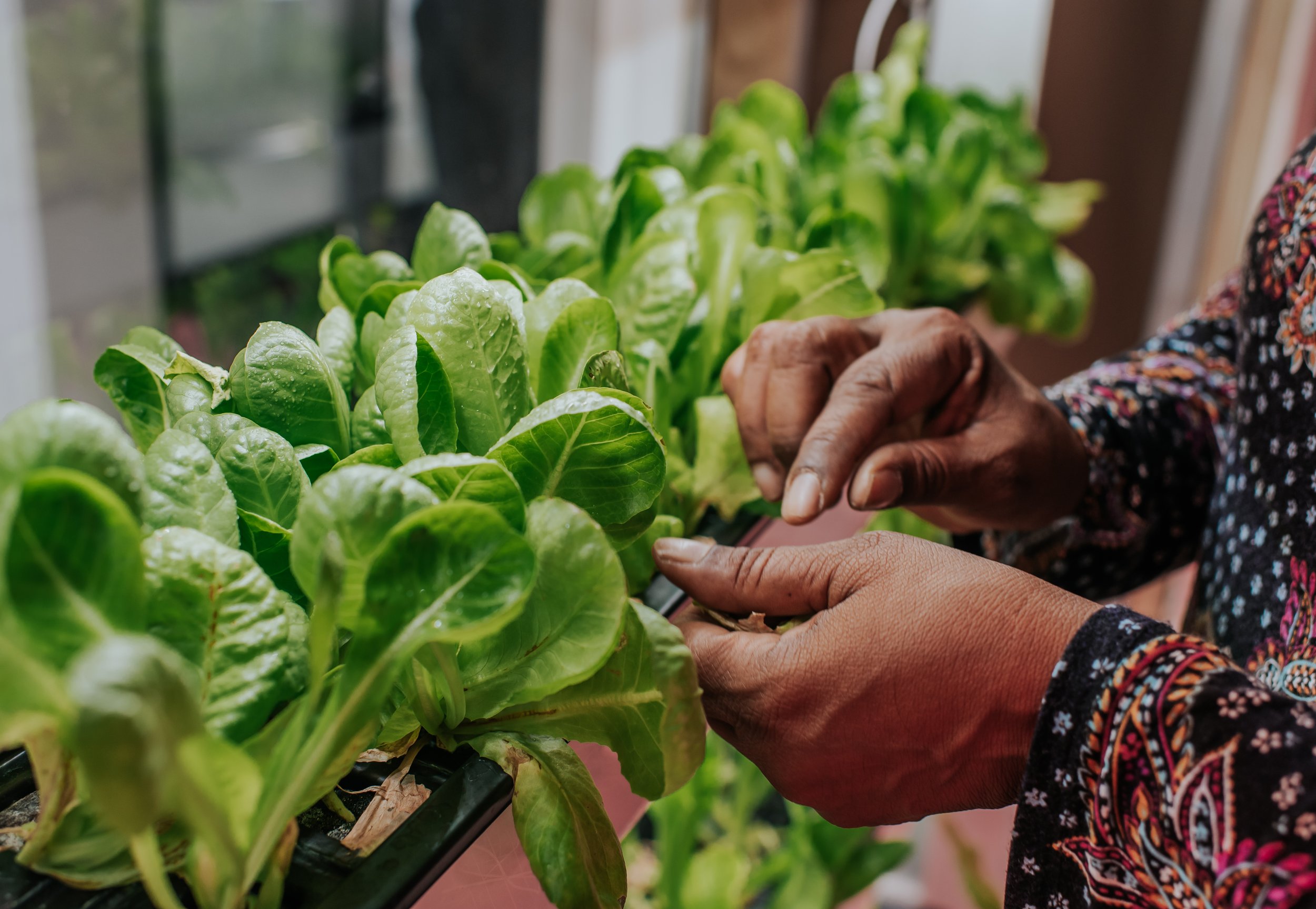
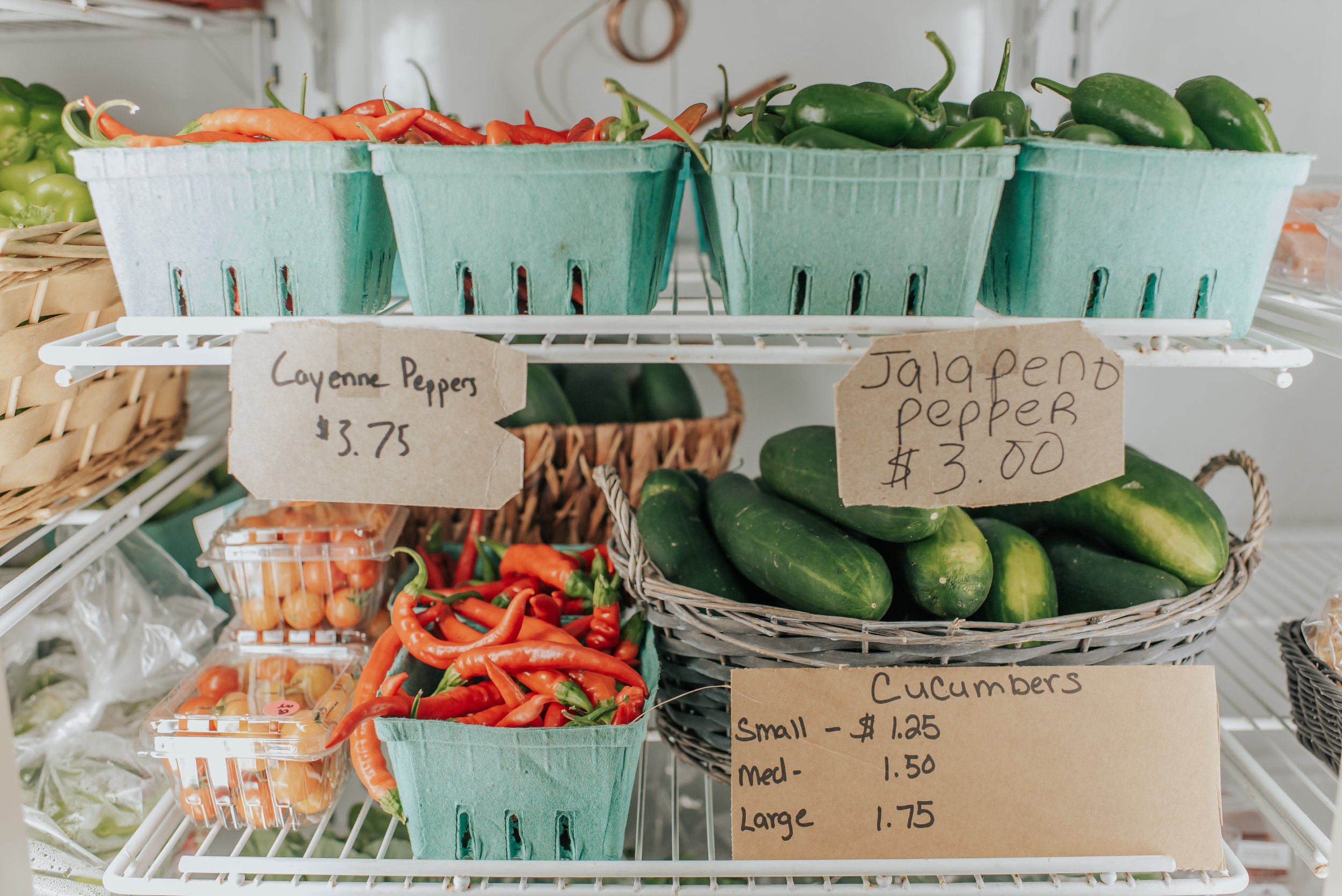
Customers want clean food, and Lovey has made it her mission to provide the community with healthy options. All the produce comes from Gilliam’s Community Garden and the shelves are stocked with staples made without artificial ingredients and dyes from Sevannanda Fresh Food Market. Products from 15 local vendors are also available including granola from Just Good Clean Cooking, freshly baked bread from Sweet-but-Savory Bakery, and grab-and-go teas from Majestea. In addition to grocery staples, customers can order fresh home-cooked meals provided by Dished Palate Chef TJ and Strange Made Chef Dasara Strange. The store is also home to Georgia’s first-ever hydroponic lettuce cut fresh to order. “If something happens to deplete our soil, I want people to know that they can still get tomatoes and other vegetables through hydroponics.”

In addition to giving Gilliam’s Community Garden a grant to be able to grow all the fresh vegetables for Leafy Greens, Food Well Alliance also helped cover some of the renovation costs when the price of materials tripled. “Food Well Alliance gave the last funding we needed to open or we wouldn’t be open today.”

Eco-PARADIGM Crew | PolyCulture Production

Eco-PARADIGM

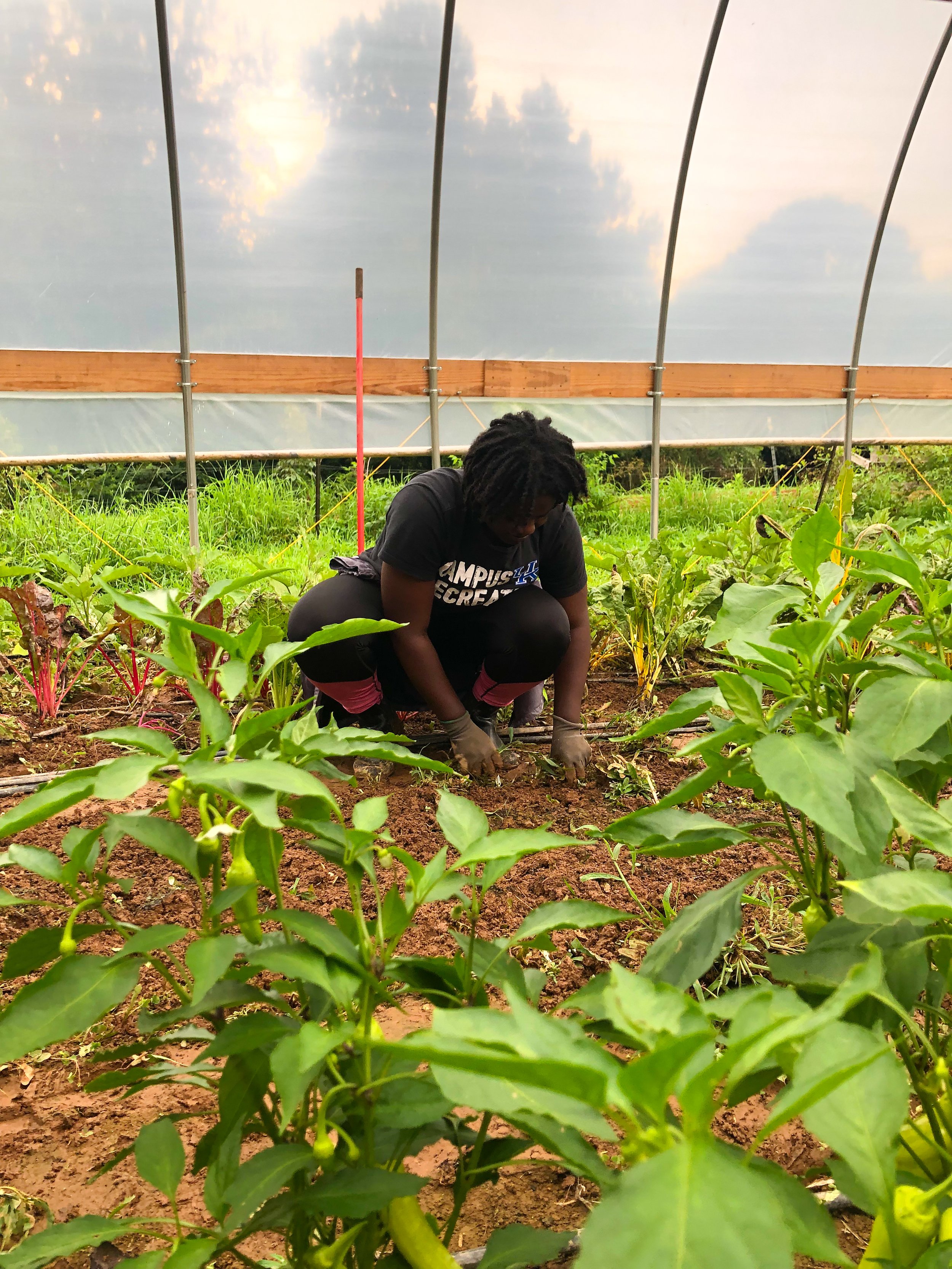
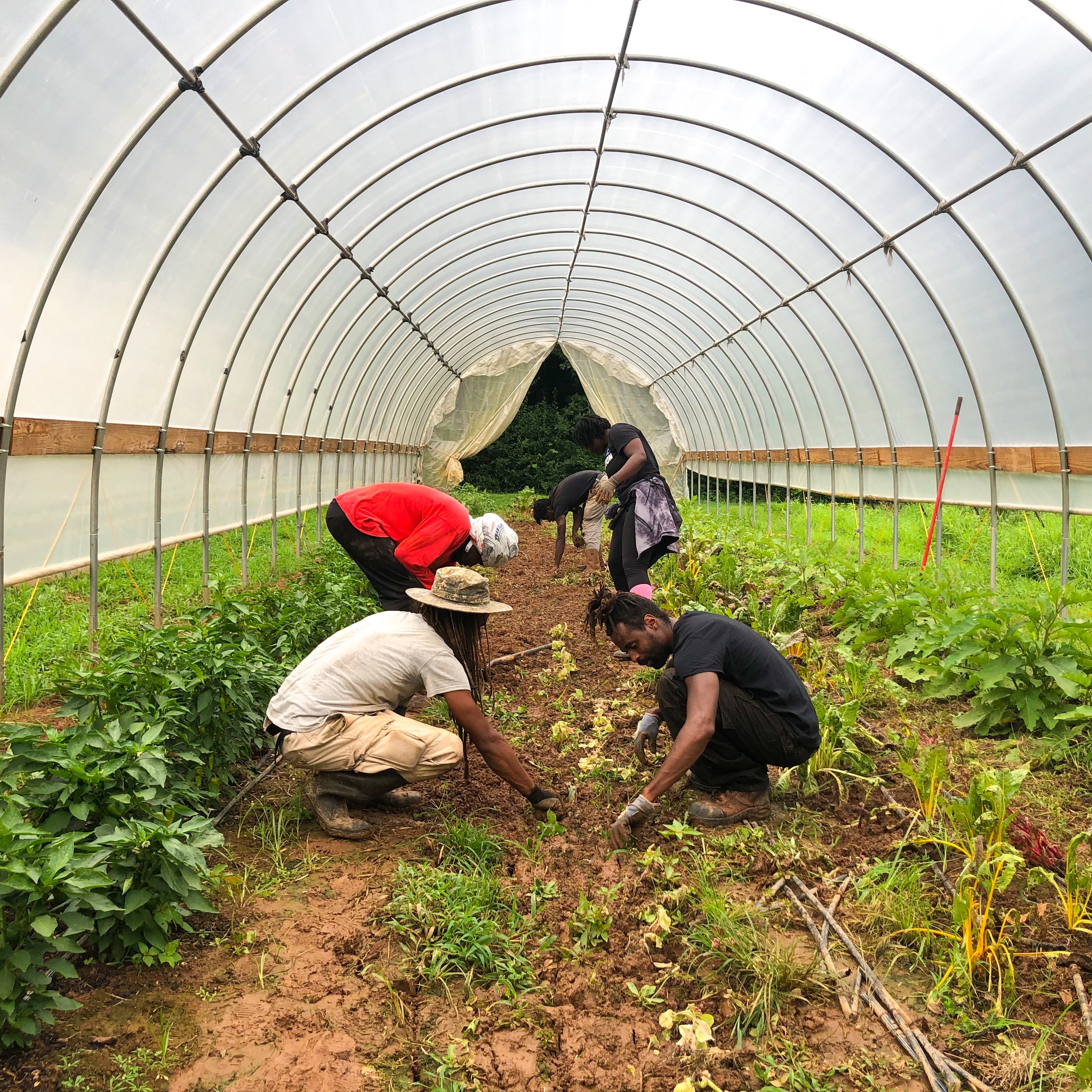
Eco-PARADIGM crew helping Stephanie Simmons of PolyCulture Production with weeding the hoop house: (l-r) Jah, Kijana, Stephanie, Habeebah, Charles, and Vici.

Summer is not only a busy time for farmers but also for those who work supporting growers! Food Well Alliance is excited to spotlight a partner providing amazing hands-on support and expertise to metro Atlanta farms–Eco-PARADIGM! Through the Food Well Alliance Farm Support Resource, the Eco-PARADIGM team, led by Charles Greenlea, helps farms stay on track with their work growing local food.

Charles Greenlea started Eco-PARADIGM to bridge the gap between farms that were short on labor and the need for hands-on experience for graduates of training programs at organizations like HABESHA, Inc. and Gangstas 2 Growers. “It’s a win-win situation,” said Charles. “The farms get support and the growers working as part of the Eco-PARADIGM team get real-world experience, earn a liveable wage, and learn not only how to do multiple things but also learn from multiple sites and growers.”

Through farm projects, the Eco-PARADIGM crew has learned skills like operating a BCS tractor, building high tunnels, installing irrigation systems, and more. “I get to go to different farms and experience how they do things. I’m learning from all the farmers I meet,” said crew member Vici Royál, who wants to get his own land and start growing food. Habeebah, who recently joined Eco-PARADIGM, enjoys the work because it helps her understand all that goes into growing food. Her favorite part is being able to pick and taste fresh produce. “I didn’t know what real fruits and vegetables tasted like until I experienced them fresh from a farm.”

The dedicated crew has helped 15 metro Atlanta farms this year and has spent over 2,000 hours helping farmers accomplish infrastructure projects and stay on top of farm maintenance tasks when they need extra hands. One of those farmers is Stephanie Simmons of PolyCulture Production @ Gaia Gardens. She has been grateful for the extra hands. “While I don’t have a team, Eco-PARADIGM is my team.” The crew has helped Stephanie with weeding, prepping beds for planting, mowing the grass, and so much more. “Eco-PARADIGM brings growers together to learn from each other, and all you want to do is use that knowledge and pay it forward to the next person.”

Compost Connectors | Truly Living Well

Truly Living Well Center for Natural Urban Agriculture

Booker T. Washington Compost Connectors

City of Atlanta, Fulton County

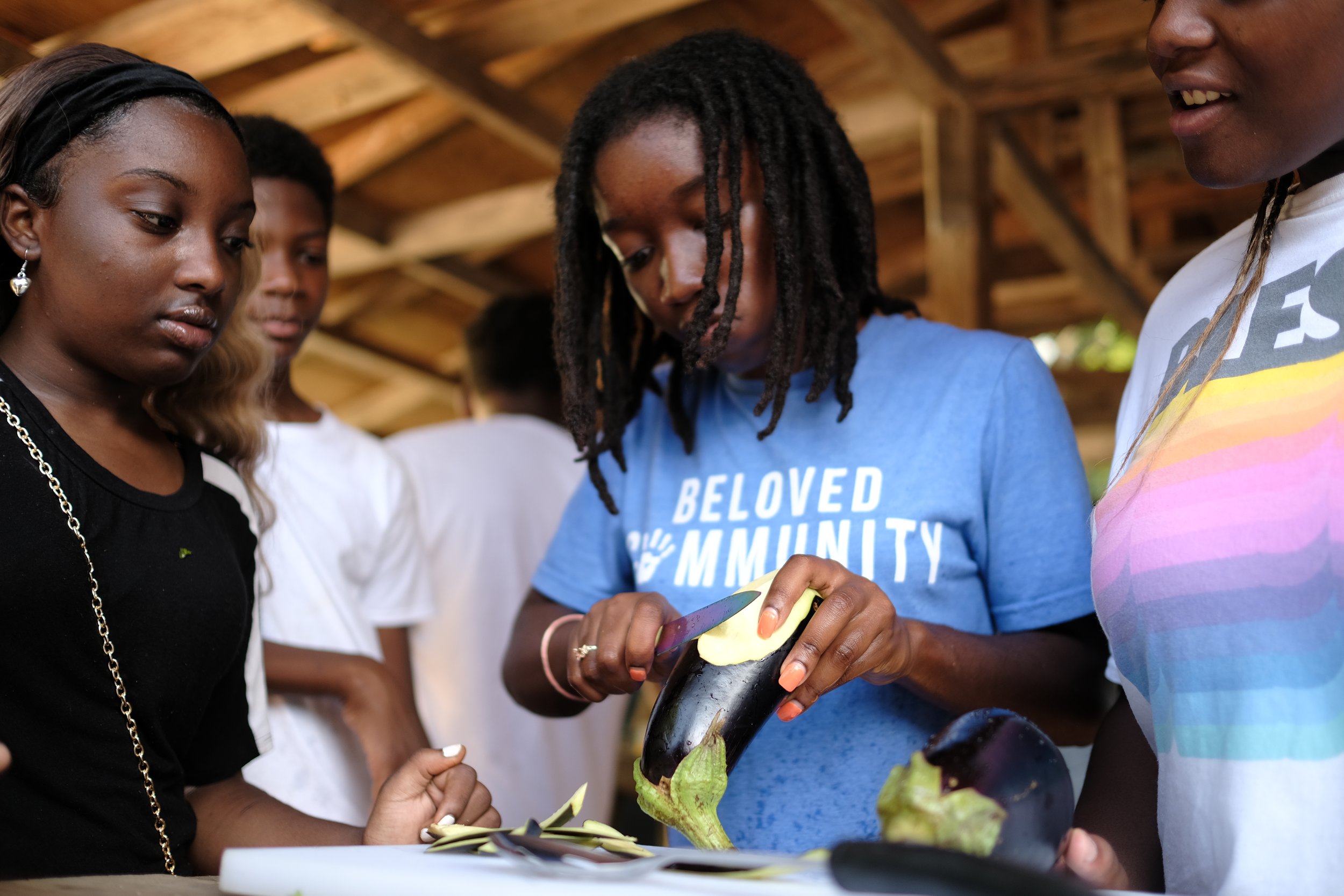
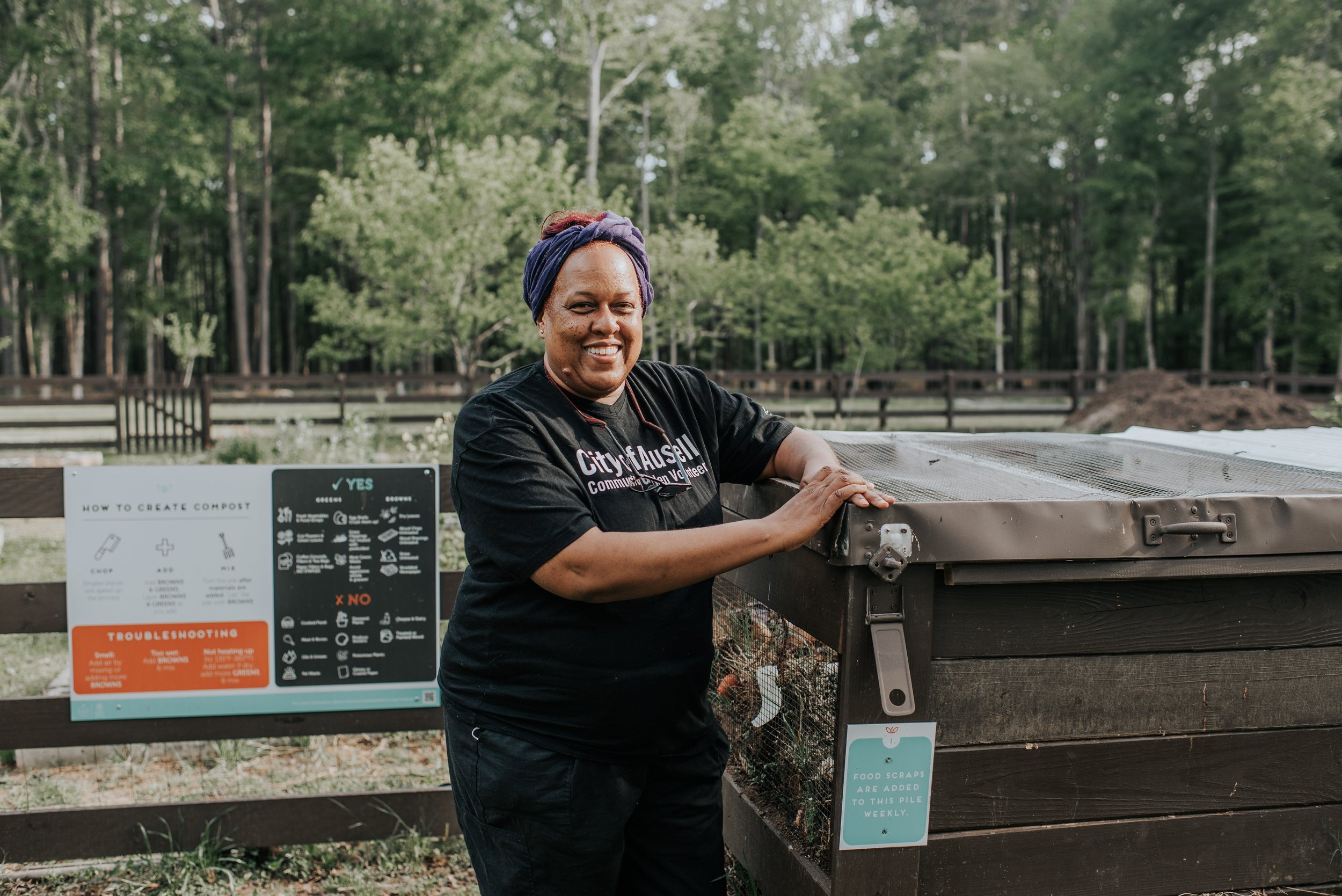
While most of the Compost Connectors programs have paused for summer break, a small group of students from Booker T. Washington High School (BTW) is participating in the summer cohort at Truly Living Well Center for Natural Urban Agriculture. A total of 34 BTW students were involved throughout the first year of the Compost Connectors program, and seven have stayed for all three cohorts. They’re not only learning different composting methods, but also how to grow food and use the produce they harvest to cook healthy meals. BTW student Shanii Amour said, “I really like to see the fruits of my own labor and all the plants that I grew. I like to see them grow and see what I can make with them.”

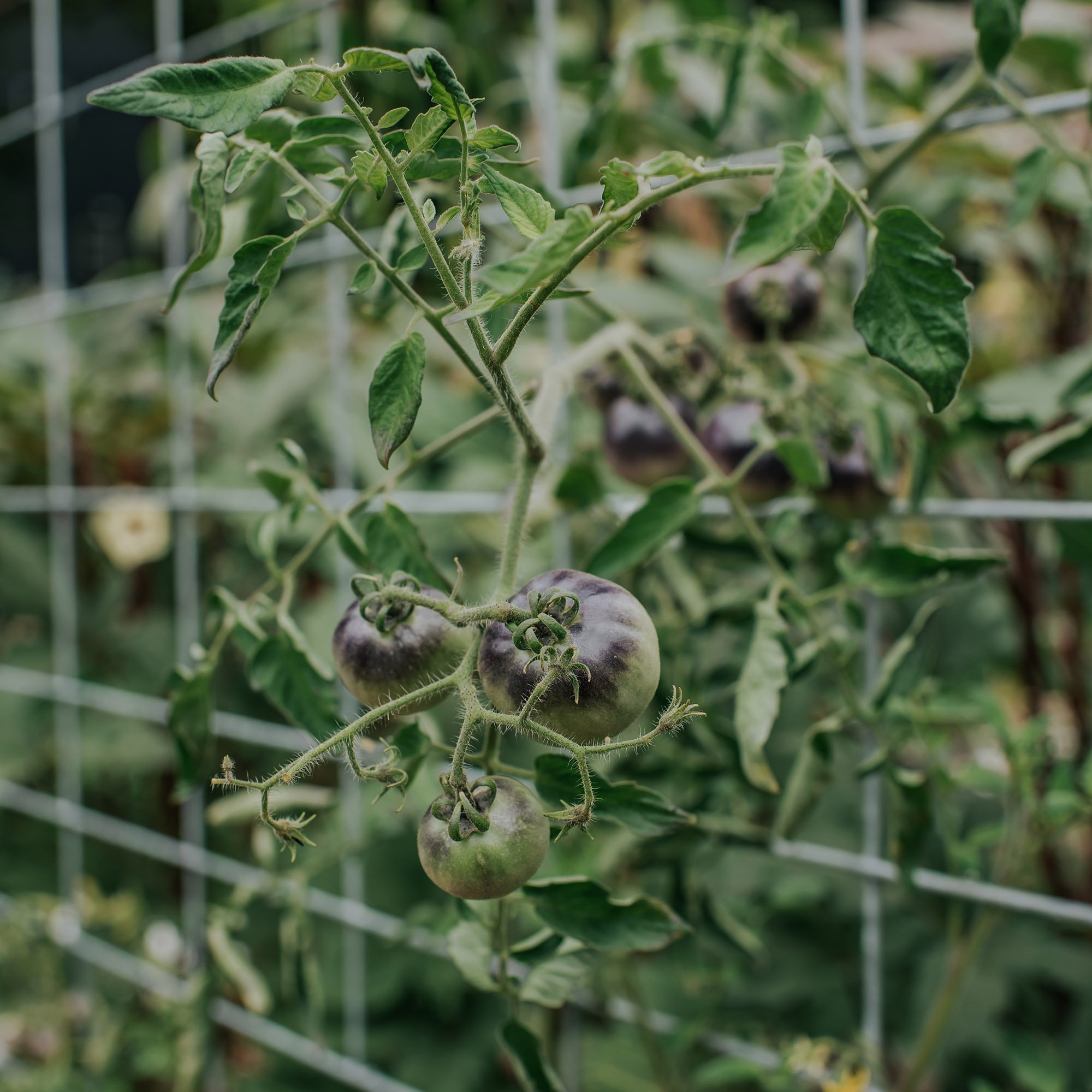
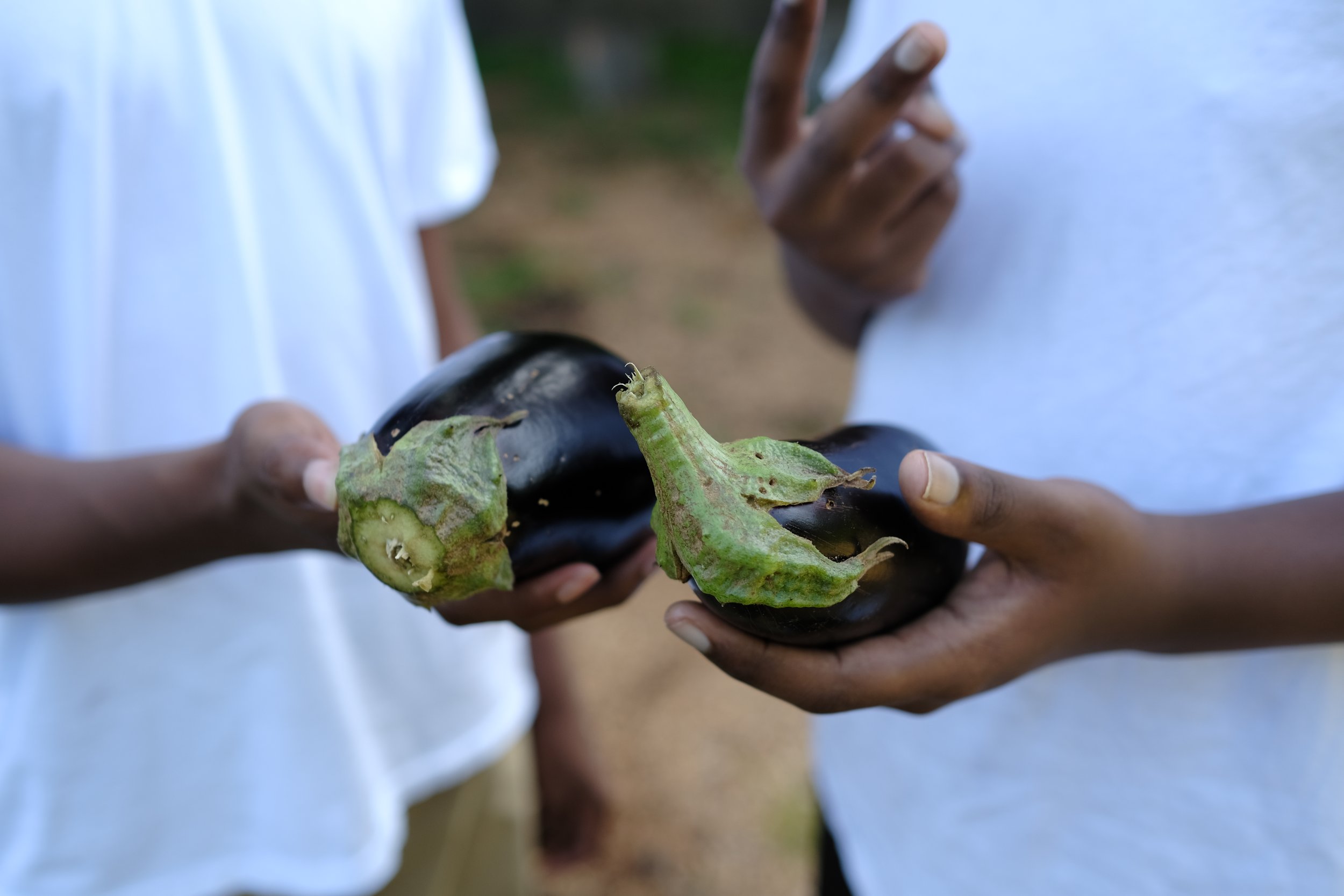
Using eggplants and tomatoes harvested from the Compost Connectors' garden, Trinity Harrison, the on-farm compost educator, has taught the students how to make fresh, healthy meals like eggplant parmesan and Zaalouk, a Moroccan stew usually served with bread. “It’s a great experience, and you learn so much. You learn how to harvest, how to compost, how to cook new recipes, and how to help the environment,” said Harmoni Griffin

Hali Jordan wants to see more of her classmates joining the program in the new school year because “it gives you an outlet to do other things instead of just being at home all day. You get to learn stuff and have fun at the same time.” 


Reggie and Roger Ramos | Grow With the Flow

Grow with the Flow

Reggie and Roger Ramos

City of Tucker, DeKalb County

After graduating from Georgia Tech, brothers Reggie and Roger Ramos served for several years in the military. When their contracts were up, they decided to start a farming business, Grow With the Flow, and came up with a unique solution to the problem of securing land. They grow in peoples’ yards. It's proved to be a win-win because they now have multiple growing spaces, and the homeowners get to keep some of the vegetables. Plus, there's not as much lawn to mow! 

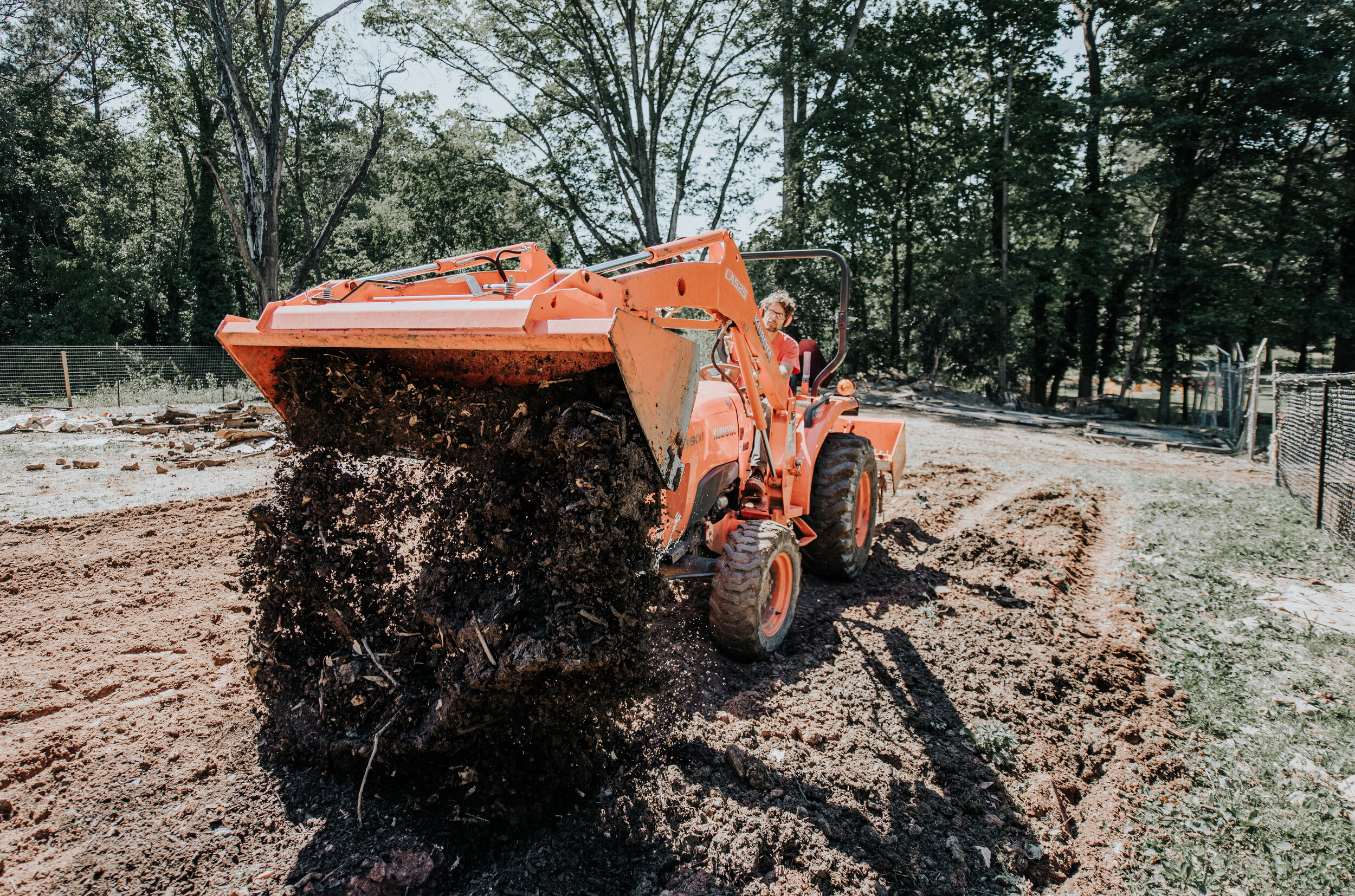
The brothers, aka the Grow Bros, sell their produce at several farmers markets from Peachtree Road to Tucker. Reggie says resources from Food Well Alliance have been integral to their success over the years and 2021 has been their most profitable year to date. Prior to spring planting, Food Well provided a tractor to till their largest plot, a bulk load of compost, and labor support to spread the compost on the newly tilled land. 

Reggie and Roger started farming because they wanted to offer an alternative to food from industrial farms. Reggie’s vision is for more people influencing each other about the power of local food. “The only way we can have a self-sustaining economy is to have more people growing food. It will at least take us a step in the right direction, and that leads to the health and wealth of everyone.”

Lovey Gilliam | Gilliam's Community Garden

Gilliam’s Community Garden

Lovey Gilliam

Southwest Atlanta, Fulton County

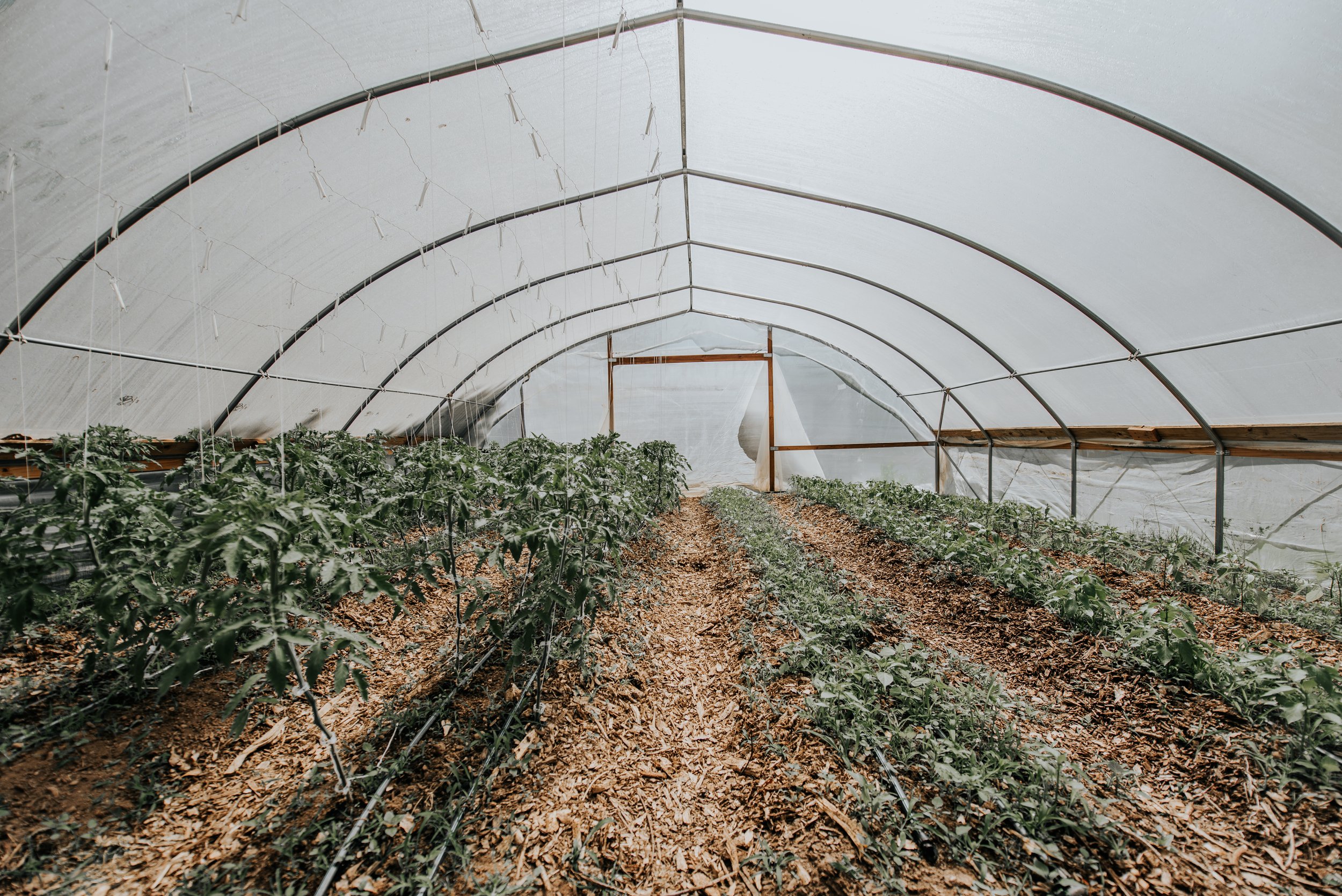
Gilliam's Community Garden, an urban oasis in Southwest Atlanta, has been part of the Food Well Alliance network since 2015. When you take a look around the place, you can see the progress that's been made over the years–from active chicken coops and goat runs to new fencing and high tunnel greenhouses with neatly planted rows of crops. "All of that is Food Well Alliance," said farmer Lovey Gilliam. "They're able to reach people where they're at and help them grow from what they have." The help comes in many forms, including labor and mechanical support provided by fellow growers hired by Food Well Alliance.

EliYahu Ben Asa | Atlanta Harvest

Atlanta Harvest

EliYahu Ysrael

City of Ellenwood, Clayton County

“Y’all are the reason we’re here,” said farmer EliYahu Ben Asa. When they realized they wouldn't be able to stay on the land they were leasing in Jonesboro, the Ysrael family wasn't sure where to turn. With funds from phase 2 of the Food Well Alliance farm grant last year, the family was able to make a down-payment on property in Ellenwood and revive their Atlanta Harvest Farm. Since then, things have steadily progressed. EliYahu is grateful to have a lot of growing space at the new farm. "We are really in line to grow a ton of food here. We grow because we know there is a need in our community. The more food we can grow, the more people we can feed."

Brennan and Gwendolyn Washington | Phoenix Gardens

Phoenix Gardens

Brennan and Gwendolyn Washington

City of Lawrenceville, Gwinnett County

When we last shared Brennan and Gwendolyn Washington’s story, they’d just filled their new hoop house with 30 cubic yards of compost delivered by Food Well Alliance. Since then, their Phoenix Gardens farm in Lawrenceville has continued to produce healthy harvests. “We’ve grown broccoli, collards, kale, heirloom tomatoes, and peppers. Right now, heading into fall, we have beets, fava beans, and swiss chard. Had we not received that donation of compost, we wouldn’t have been able to get the yield we did.”

More recently, Food Well Alliance provided mechanical support from “Small Farmer at Large” Chris Theal, who cleared an additional half acre of growing space with his tractor. “All of those were blessings,” said Brennan. “If you truly want to support local farms and farmers and build our local food system, a donation to Food Well Alliance is an integral part of doing that.”

The Washingtons are as passionate about growing the local food movement as they are about growing food. Whether giving a demonstration to the Gullah Geechee Farm Cooperative in St. Helena Island or holding a workshop at Phoenix Gardens, educating other growers is the couple’s ultimate priority. “We always have an open door for people who want to learn,” said Brennan.